
 Eli Ben-Yehuda

Intermittent Fasting
Most diets tell you what to eat. Intermittent fasting tells you when. That single shift makes it one of the most flexible — and most researched — approaches to improving your health.
In fact, this isn’t a new idea at all.
“Intermittent fasting is the ancient secret of health. It is ancient because it has been practiced throughout all of human history. It’s a secret because this powerful habit has been virtually forgotten.”
Yet that’s changing fast. More people are rediscovering IF — and the results are hard to ignore.
“But now many people are re-discovering this dietary intervention. It can carry huge benefits if it is done right: weight loss, increased energy, reversal of type 2 diabetes and many other things. Plus, you’ll save time and money.”
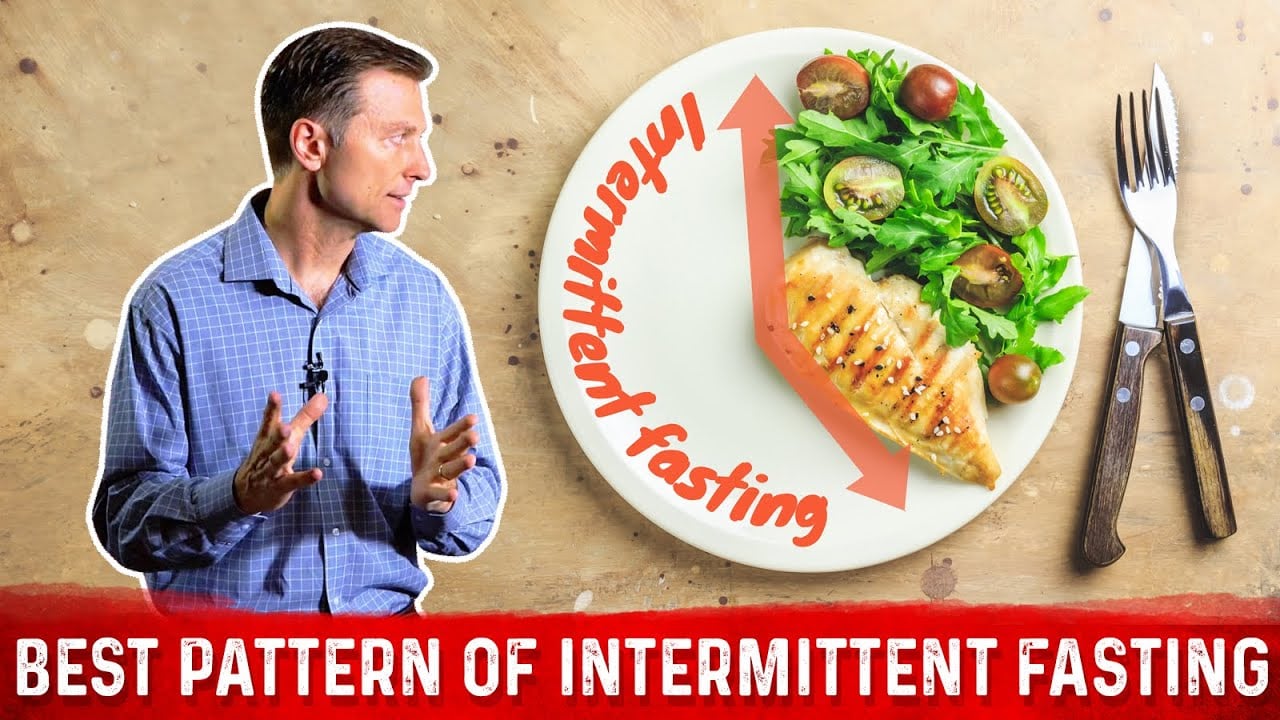
How IF went mainstream
Intermittent fasting isn’t new to science, either. It gained serious public attention in 2012. BBC journalist Dr. Michael Mosley featured it in his documentary Eat Fast, Live Longer and his book The Fast Diet. Shortly after, journalist Kate Harrison published The 5:2 Diet, drawing on her own personal experience. Then, in 2016, Dr. Jason Fung released his bestseller The Obesity Code. Each book added fuel to a growing conversation. As a result, IF moved from fringe idea to mainstream health strategy.
Jason Fung M.D
Dr. Fung brings a compelling combination of research, clinical experience, and practical nutrition advice. He argues clearly for eating more fruits, vegetables, fiber, healthy protein, and fats. On the other hand, he warns against sugar, refined grains, and processed foods — and makes a strong case against constant snacking.
“Fung successfully combines plenty of research, his clinical experience, and sensible nutrition advice, and also addresses the socioeconomic forces conspiring to make us fat. He is very clear that we should eat more fruits and veggies, fiber, healthy protein, and fats. We want to avoid sugar, refined grains, processed foods, and for God’s sake, stop snacking. Check, check, check, I agree. The only part that was still questionable in my mind was the intermittent fasting part.”
So what does the research actually say?

Watch How Mark Lowered His Blood Pressure Naturally.
It was 150/100, this morning it was 110/79

What the science shows
The Cell Metabolism Journal tackled a key question: does IF improve health beyond just losing weight?
According to the Cell Metabolism Journal: “Intermittent fasting (IF) improves cardiometabolic health; however, it is unknown whether these effects are due solely to weight loss.”
The researchers ran the first supervised controlled feeding trial to test exactly that. They fed participants enough food to maintain their weight — so weight loss was not a factor.
Furthermore, the study introduced a new concept: early time-restricted feeding (eTRF). This approach aligns eating windows with the body’s natural circadian rhythms. Participants ate earlier in the day, finishing dinner before 3 p.m.
“We conducted the first supervised controlled feeding trial to test whether IF has benefits independent of weight loss by feeding participants enough food to maintain their weight.”
“Our proof-of-concept study also constitutes the first trial of early time-restricted feeding (eTRF), a form of IF that involves eating early in the day to be in alignment with circadian rhythms in metabolism. Men with prediabetes were randomized to eTRF (6-hr feeding period, with dinner before 3 p.m.) or a control schedule (12-hr feeding period) for 5 weeks and later crossed over to the other schedule. eTRF improved insulin sensitivity, β cell responsiveness, blood pressure, oxidative stress, and appetite. We demonstrate for the first time in humans that eTRF improves some aspects of cardiometabolic health and that IF’s effects are not solely due to weight loss.”
In other words, the benefits go beyond the scale. Better blood pressure. Improved insulin response. Reduced oxidative stress. And all of it independent of weight loss.
Conclusion
Intermittent fasting works — and science is catching up to explain why. The research is clear: IF improves blood pressure, insulin sensitivity, and cardiovascular health even when body weight stays the same. For people managing hypertension, that’s a significant finding. The key is consistency and choosing a pattern that fits your life. Whether that’s the 16:8 method, the 5:2 diet, or early time-restricted feeding, the best approach is the one you can actually stick to. Above all, IF isn’t about deprivation. It’s about working with your body’s natural rhythms — not against them.


 Clinically proven





Comments