
 Brian Fairchild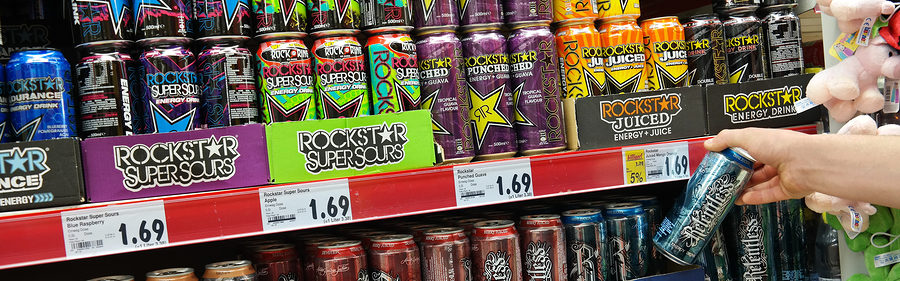
Energy drinks and blood pressure share a relationship that is more specific and more dangerous than most people realize. These beverages now represent a 74-billion-dollar global market. They are consumed most heavily by young adults and students — and by people already managing elevated blood pressure who reach for them to power through long days.
The problem is not simply caffeine. Coffee delivers caffeine and little else. Energy drinks deliver caffeine alongside taurine, guarana, bitter orange, B vitamins, and other bioactive compounds. Each ingredient on its own may be relatively benign. Together, in the doses found in a standard 16 or 32-ounce can, they produce a cardiovascular effect that consistently exceeds what caffeine alone would cause.
What Is Actually in an Energy Drink
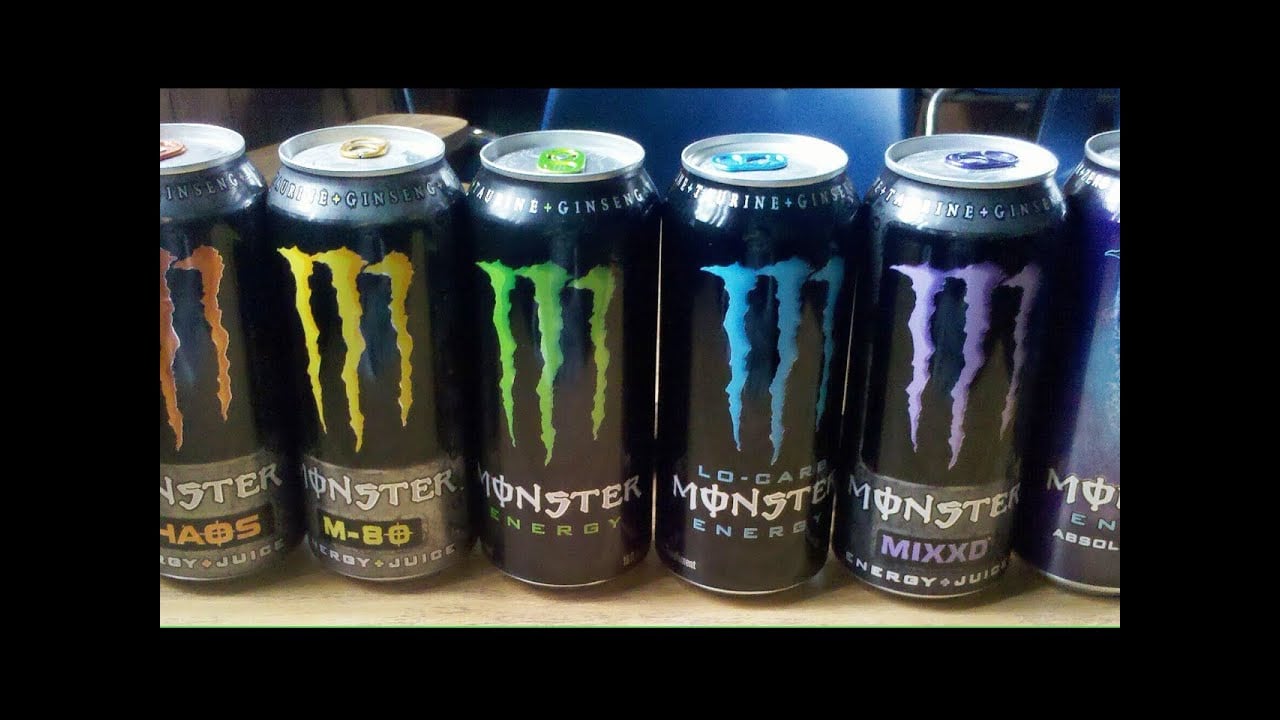
Most energy drinks contain several key ingredients, each with its own cardiovascular profile. Understanding them separately is more useful than treating the can as a single threat.
Caffeine
Caffeine is the primary active ingredient. Energy drinks typically contain 80 to 160 milligrams per 8-ounce serving. A standard 16-ounce can therefore contains as much caffeine as two to four cups of coffee. Caffeine raises blood pressure by triggering the release of adrenaline, which constricts blood vessels and increases heart rate. The blood pressure spike typically peaks within an hour of consumption.
Guarana
Guarana is a plant extract that contains caffeine beyond what appears on the product label. When a drink contains both added caffeine and guarana, the total stimulant load is higher than the label suggests. Guarana caffeine is also released more slowly, meaning the blood pressure effect may last longer than the label figure alone implies. As UC Davis Health notes, energy drinks can cause your heart to sprint without a warm-up — and guarana extends how long that sprint lasts.
Taurine
Taurine is an amino acid that regulates calcium transport in cardiac cells and can affect the heart’s electrical activity. When combined with high-dose caffeine, taurine appears to amplify cardiovascular effects rather than moderate them. A 2024 systematic review found that taurine in isolation shows some beneficial cardiovascular effects. However, in combination with large amounts of caffeine and other stimulants, the picture is different.
Bitter Orange
Bitter orange, also called synephrine, is a stimulant that mimics adrenaline. It independently raises blood pressure and heart rate. Its half-life is longer than caffeine. Blood pressure effects may therefore persist for several hours after consumption even after the initial caffeine spike has resolved.
Sugar
Sugar adds a further acute blood pressure contribution in non-sugar-free versions. A standard energy drink can contain 27 to 54 grams of added sugar per can. That produces its own brief blood pressure response on top of the stimulant effects.
It was 150/100, this morning it was 110/79
Watch How Mark Lowered His Blood Pressure Naturally.

What the Evidence Shows
The clinical evidence on energy drinks and blood pressure has become substantially stronger in recent years. A study published in the Journal of the American Heart Association enrolled 34 volunteers between 18 and 40. Those who consumed 32 ounces of energy drinks in one hour had both abnormal electrical activity in their hearts and higher blood pressure for up to four hours afterward. The effects went beyond what caffeine alone would cause. The lead author attributed this specifically to the combination of ingredients rather than caffeine in isolation.
A 2025 systematic review published in Current Cardiology Reports confirmed that excessive energy drink consumption links to arrhythmias, tachycardia, and hypertension, particularly among young adults. The review noted that guarana and taurine increase both the magnitude and the duration of the blood pressure spike beyond caffeine alone.
Furthermore, a 2025 paper in the Anatolian Journal of Cardiology examined the acute effects of energy drink consumption on arterial stiffness. The study enrolled 64 healthy young adults with normal blood pressure and no cardiovascular conditions. Even in this low-risk population, energy drink consumption produced measurable changes in vascular parameters. For people with existing hypertension, the cardiovascular burden is substantially higher.
The QTc Interval: A Specific Cardiac Risk
One of the more specific cardiovascular concerns with energy drinks involves the QTc interval. This is the time it takes the heart’s lower chambers to recharge between beats. Both a QTc that is too long and one that is too short can produce dangerous arrhythmias. The JAHA study found that QTc intervals in the energy drink group were significantly longer at four hours compared with the placebo group. This is the mechanism behind the serious cardiac events occasionally reported in young people with no prior heart history after consuming large quantities of energy drinks.
An Honest Note on Athletes
A valid point worth addressing directly: energy drinks can be useful for glycogen-depleted athletes recovering from intense endurance exercise. In that specific context, the fast-releasing carbohydrates and electrolytes serve a legitimate physiological purpose. However, most people consuming energy drinks are not in that situation. They are sitting at desks, studying, or driving. In those contexts, the stimulant combination activates the sympathetic nervous system without the protective effect of sustained aerobic exercise. For genuine athletic recovery, sports drinks formulated with electrolytes and moderate carbohydrates, without high-dose caffeine and additional stimulants, are a safer and more appropriate choice.
Who Faces the Highest Risk
People managing hypertension
People managing hypertension face compounded risk. The sympathetic nervous system activation that energy drinks trigger is already more active in people with chronic high blood pressure. Adding a significant external stimulant load on top of that baseline elevation can produce blood pressure spikes that are clinically meaningful rather than merely transient. Anyone managing hypertension with medication should discuss energy drink consumption with their physician.
Young people and children
Young people also face specific risk. A randomized trial published in Frontiers in Cardiovascular Medicine found that energy drink consumption raised blood pressure and heart rate in healthy children and teenagers. The authors specifically discouraged caregivers from allowing minors to consume energy drinks, particularly those with underlying health conditions.
It was 170/110, this morning it was 120/80
Watch how Julie Lowered her Blood Pressure Naturally.


Practical Guidance: Reading Labels and Safer Alternatives
Reading labels on energy drinks is less straightforward than it should be. The FDA does not closely regulate these products. Guarana content appears as a separate ingredient rather than being included in the total caffeine figure. A drink advertising 80 milligrams of caffeine may contain considerably more when guarana is accounted for.
For sustained energy without the cardiovascular risk, the most evidence-supported alternatives are consistent sleep, regular aerobic exercise, and adequate hydration. Green tea provides a modest caffeine dose alongside L-theanine, which moderates the stimulant effect. It also reduces the blood pressure spike compared with equivalent caffeine from energy drinks. If a meaningful caffeine boost is needed, coffee remains a more predictable delivery mechanism with a simpler ingredient profile.
Where RESPeRATE Fits
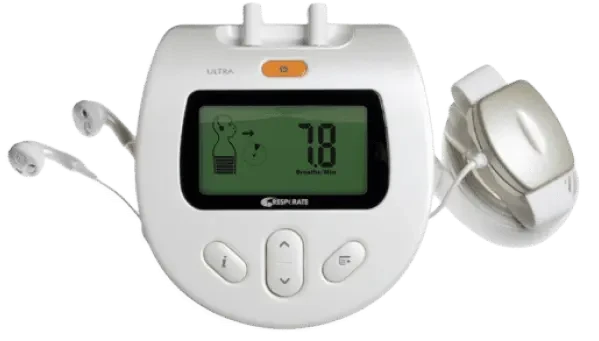
RESPeRATE works on the same sympathetic nervous system pathway that energy drinks overstimulate. Fifteen minutes of device-guided slow breathing calms the same adrenaline-driven vasoconstriction that energy drinks amplify. It is the only FDA-cleared non-drug device clinically proven to lower blood pressure. Use it as part of your overall health program alongside your physician-directed treatment plan. See the full evidence at our clinical proof page.
Summary
Energy drinks are not simply strong coffee. The combination of high-dose caffeine, guarana, taurine, bitter orange, and sugar produces cardiovascular effects that exceed what caffeine alone causes. These effects persist for hours after consumption. Clinical trials consistently show elevated blood pressure and abnormal cardiac electrical activity in both healthy and hypertensive populations. People managing hypertension should treat them as contraindicated. For post-exercise glycogen recovery specifically, dedicated sports electrolyte drinks without high-dose stimulants are a safer choice.

 Clinically proven


 Eli
Eli 




Comments
One Reply to “Energy Drinks and Blood Pressure: What the Evidence Actually Shows”
One point, energy drinks are good if you are Glycogen depleted, so if you’ve been on a long run or cycle ride they are a very fast way of recovering.
However if your body doesn’t need Glycogen then, I agree, these are very bad news