
 Brian Fairchild
Pregnancy brings real joy, and real risk. One risk worth understanding clearly is gestational hypertension, a condition that affects a meaningful share of pregnancies and deserves attention from the very first prenatal visit.
What is gestational hypertension? Gestational hypertension or pregnancy-induced hypertension (PIH) is the development of new hypertension in a pregnant woman after 20 weeks’ gestation without the presence of protein in the urine or other signs of pre-eclampsia.
There are actually three types of hypertension during pregnancy:
1. Chronic Hypertension– Women who have high blood pressure(140/90) before pregnancy, early pregnancy ( before 20 weeks), and continues after pregnancy.
2.Gestational Hypertension– High blood pressure that develops after the 20th week of pregnancy and disappears after delivery.
3.Pre-eclampsia- Both chronic hypertension and gestational hypertension can lead to this severe condition after week 20 of the pregnancy. Symptoms include high blood pressure and protein in the urine. This can lead to serious complications for mom and the baby if not treated quickly.
Who Is at Risk for Gestational Hypertension and Preeclampsia?
According to ACOG Practice Bulletin 222, risk factors fall into two tiers.
High-risk factors include:
- A history of preeclampsia in a previous pregnancy
- Carrying more than one baby
- Chronic hypertension before pregnancy
- Type 1 or type 2 diabetes
- Kidney disease
- Autoimmune conditions such as lupus or antiphospholipid syndrome
Moderate-risk factors, especially in combination, include:
- This being your first pregnancy
- Obesity, defined as a BMI over 30
- A mother or sister who had preeclampsia
- Age 35 or older
- A previous pregnancy with a low birth weight baby, or a pregnancy interval longer than 10 years
- Conceiving through assisted reproductive technology
Disparities in maternal health outcomes also mean that Black women face a higher risk of preeclampsia, a pattern researchers attribute to factors like unequal access to care rather than biology itself.
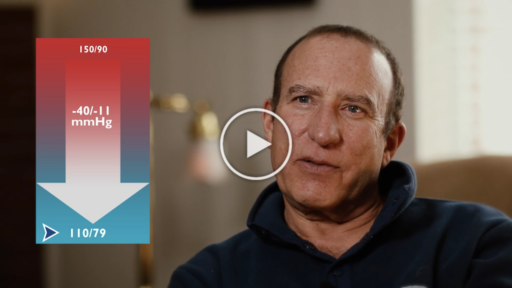
Watch How Mark Lowered His Blood Pressure Naturally.
It was 150/100, this morning it was 110/79
What Are The Symptoms Of Gestational Hypertension?
The following are the most common symptoms of high blood pressure in pregnancy. However, each woman may experience symptoms differently, and a patient with gestational hypertension may be completely asymptomatic. Symptoms may include:
- Increased blood pressure
- Absence or presence of protein in the urine (to diagnose gestational hypertension or preeclampsia)
- Edema (swelling)
- Sudden weight gain
- Visual changes such as blurred or double vision
- Nausea, vomiting
- Right-sided upper abdominal pain or pain around the stomach
- Urinating small amounts
- Changes in liver or kidney function tests
Can Gestational Hypertension Cause Problems for Me and the Baby?
High blood pressure during pregnancy can affect both you and your baby. The severity ranges widely. Some women experience no complications at all. Others face:
- Damage to the kidneys and other organs
- Reduced blood flow to the placenta, which limits your baby’s oxygen and nutrients
- A baby born too small or too early
- A higher risk of heart disease or high blood pressure later in life
In severe cases, gestational hypertension progresses to preeclampsia, sometimes called toxemia. This can harm the placenta, brain, liver, and kidneys. Left untreated, preeclampsia can advance to eclampsia, a rare but serious condition involving seizures and, in extreme cases, death.
-
How is Gestational Hypertension Medically Treated?
Specific treatment for gestational hypertension will be determined by your doctor based on:
- Your pregnancy, overall health, and medical history
- The extent of the disease
- Your tolerance for specific medications, procedures, or therapies
- Expectations for the course of the disease
- Your opinion or preference
The goal of treatment is to prevent the condition from becoming worse and to prevent it from causing other complications. Treatment for gestational hypertension may include:
- Bedrest, either at home or in the hospital, may be recommended
- Hospitalization (as specialized personnel and equipment may be necessary)
- Magnesium sulfate, used specifically to prevent seizures if the condition progresses to preeclampsia or eclampsia, alongside other antihypertensive medications if blood pressure readings reach the severe range
How to naturally control high blood pressure during pregnancy:
Maintain A Healthy Weight
Although pickles and ice cream may sound good, try to stay away from them as much as possible. Many doctors and researchers have concluded that you should be near a healthy body weight when you become pregnant. By eating a nutrient dense diet one can achieve that goal.
Get Regular Exercise
No matter how many articles I have researched or written this one and the one above are always in the same group. Think they are trying to tell us something? Besides helping to maintain a healthy body weight during your pregnancy, did you know that exercise also helps decrease inflammation?
Watch how Julie Lowered her Blood Pressure Naturally.
It was 170/110, this morning it was 120/80
Learn More

Eat a Healing Diet to Reduce Blood Pressure Levels
I love the way this one is written, eating a healing diet. We should not only eat for enjoyment but also that our bodies may heal themselves. You want to be eating high antioxidant foods, potassium-rich foods, and as many super-foods as possible.
Prevent Dehydration and Fatigue
Aim for at least eight 8-ounce glasses of water daily. Limit caffeine, and skip alcohol entirely during pregnancy. Prioritize sleep, and if afternoon fatigue hits, let the housework wait. Ask your partner for support. Taking care of yourself is part of taking care of the baby you’re both bringing into the world.
More Ways to Help Yourself
Women must be very careful with what they should and should not take to avoid teratogenic effects on their unborn child (Teratogen: Any agent that can disturb the development of an embryo or fetus). The classes of teratogens include radiation, maternal infections, chemicals, and drugs. Here are a few natural ways to ensure yourself to keep your blood pressure in check during your pregnancy.
Very important keep up with your Doctor’s visits: Prenatal checkups are a must. This may be the first place your medical practitioner, nurse practitioner, or midwife my find some concerns so keep all your appointments.
The overall goal is a safe, healthy pregnancy for mom, baby, and partner alike. With regular prenatal care and attention to these risk factors, that goal is well within reach.


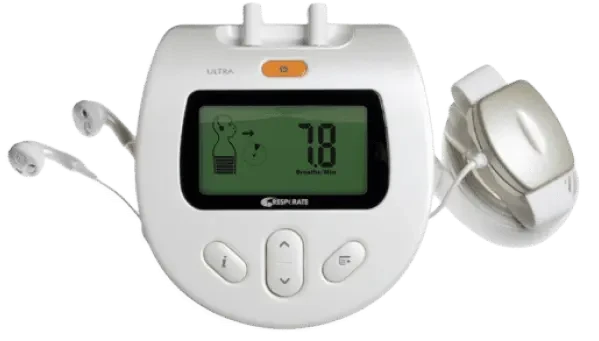
 Clinically proven

 Eli
Eli 




