
 Eli Ben-Yehuda
Monitoring blood pressure at home has become an essential part of managing cardiovascular health. Whether you’ve been diagnosed with hypertension, are tracking lifestyle changes, or simply want to stay proactive, choosing the right blood pressure monitor is critical. Not all devices are created equal, and accuracy, comfort, and ease of use can vary widely. Understanding how blood pressure monitors work and what features truly matter will help you select a device you can rely on.
Why Accurate Blood Pressure Monitoring Matters
Blood pressure readings guide important health decisions. Consistently high readings may signal hypertension, increasing the risk of heart disease, stroke, and kidney problems. On the other hand, inaccurate readings can lead to unnecessary worry or a false sense of security. A trustworthy blood pressure monitor ensures you’re basing your health decisions on dependable data rather than guesswork.
Types of Blood Pressure Monitors
There are three main types of blood pressure monitors available for home use: upper-arm monitors, wrist monitors, and finger monitors.
Upper-arm monitors are considered the “Gold Standard” for home blood pressure measurement. They use an inflatable cuff placed around the upper arm and generally provide the most accurate and consistent readings when used correctly.
Wrist monitors are smaller and more portable, making them appealing for travel. However, they are more sensitive to body position and may produce inaccurate results if the wrist is not held precisely at heart level.
Finger monitors are the least reliable and are not recommended by most medical professionals due to inconsistent accuracy.
For most users, an automatic upper-arm monitor is the best and safest choice.

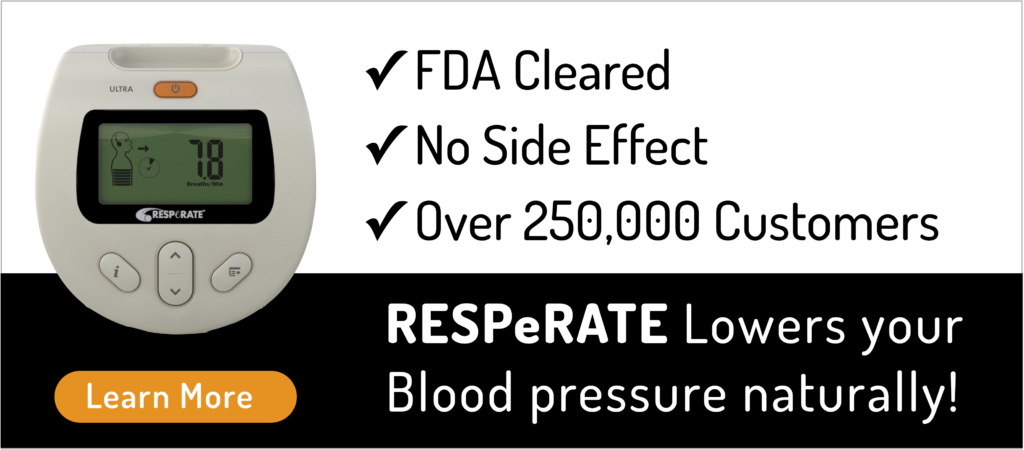
Watch how Julie Lowered her Blood Pressure Naturally.
It was 170/110, this morning it was 120/80
Learn More
Key Features to Look For
When choosing a blood pressure monitor, accuracy should be your top priority. Look for devices that are clinically validated by recognized organizations such as the American Heart Association, the British Hypertension Society, or the European Society of Hypertension. Clinical validation means the device has been tested against medical-grade equipment.
Cuff size is another crucial factor. A cuff that is too small or too large can produce inaccurate readings. Measure your upper arm circumference and ensure the monitor offers a cuff that fits properly or includes multiple size options.
Ease of use also matters, especially for daily monitoring. Automatic monitors with one-button operation, large digital displays, and clear instructions reduce user error and make consistent tracking easier.
Digital Features and Smart Connectivity
Many modern blood pressure monitors include advanced digital features. Memory storage allows the device to save multiple readings, which is useful for tracking trends over time or sharing data with a healthcare provider. Some models can store readings for more than one user, making them ideal for households.
Bluetooth and app connectivity are increasingly common. These features sync readings to a smartphone app, creating charts and summaries that help visualize patterns. While not essential, smart connectivity can be especially helpful for people managing long-term conditions or following a treatment plan.
Comfort and Build Quality
Comfort is often overlooked but plays an important role in regular use. A well-designed cuff with smooth materials and proper inflation pressure makes the monitoring process less stressful and more consistent. Devices that inflate gradually and deflate smoothly tend to feel more comfortable and reduce measurement anxiety.
Build quality also matters. A durable monitor with a solid pump, reliable electronics, and a reputable warranty is more likely to provide consistent readings over time.
Proper Use for Reliable Results
Even the best blood pressure monitor can give inaccurate results if used incorrectly. Always sit quietly for at least five minutes before taking a reading. Keep your feet flat on the floor, your back supported, and your arm resting at heart level. Avoid caffeine, exercise, or smoking for at least 30 minutes prior to measurement.
Taking readings at the same time each day and recording multiple measurements can help identify true trends rather than isolated spikes.
When to Consult a Healthcare Professional
Home blood pressure monitoring is a powerful tool, but it does not replace professional medical advice. If your readings are consistently high or low, or if you notice sudden changes, consult your healthcare provider. Bringing your home monitor to appointments for comparison with clinical equipment can also help verify its accuracy.
Choosing Confidence Over Convenience
With so many options available, it’s tempting to prioritize price or convenience. However, accuracy, proper fit, and clinical validation should always come first. A blood pressure monitor you can trust empowers you to take control of your heart health with confidence and clarity. By choosing wisely and using your device correctly, home monitoring can become a reliable partner in maintaining long-term cardiovascular wellness.
Here are a few of our favorites available on Amazon.
Shenzhen BSX Home Blood Pressure Monitor
Double Love Home Blood Pressure Monitor

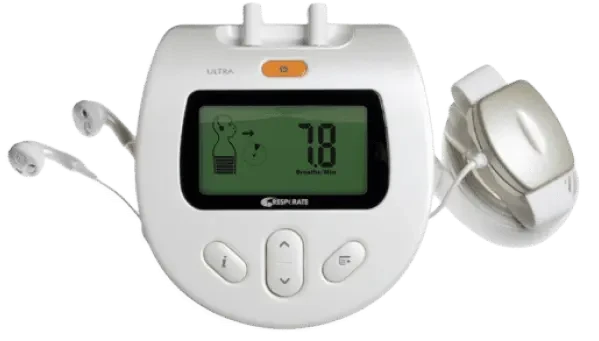
 Clinically proven

 Brian
Brian 





Comments
2 Replies to “Blood Pressure Monitors Explained: How to Choose One You Can Trust”
My blood pressure is high in the morning and low at the right level at night. Which one should I go by? The blood pressure drug the doctor gave me makes me dizzy and about to pass out should I take it?
Your blood pressure normally fluctuates during the day. Depending on your physical activity, if you are smoking, or drinking caffeinated beverages your blood pressure can rise. As for the medication, you should contact your health care provider and tell them what is happening. We do not make medical decisions that need to be discussed with your physician.