
 Eli Ben-Yehuda
Your resting heart rate is one of the simplest and most powerful indicators of your overall health. It reflects how efficiently your heart pumps blood while your body is at rest and can reveal important insights about your fitness level, cardiovascular health, and even stress levels.
A normal resting heart rate for most adults typically ranges between 60 and 100 beats per minute, but factors such as age, activity level, and lifestyle habits can cause variations. Understanding what’s normal for you—and what changes might signal a health concern—can help you take control of your heart health naturally and effectively.

A normal resting heart rate for adults ranges from 60 to 100 beats per minute.
Generally, a lower heart rate at rest implies more efficient heart function and better cardiovascular fitness. For example, a well-trained athlete might have a normal resting heart rate closer to 40 beats per minute.
To measure your heart rate, simply check your pulse. Place your index and third fingers on your neck to the side of your windpipe. To check your pulse at your wrist, place two fingers between the bone and the tendon over your radial artery — which is located on the thumb side of your wrist.
When you feel your pulse, count the number of beats in 15 seconds. Multiply this number by four to calculate your beats per minute.
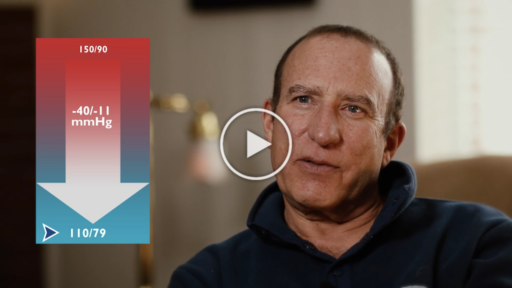
Watch How Mark Lowered His Blood Pressure Naturally.
It was 150/100, this morning it was 110/79
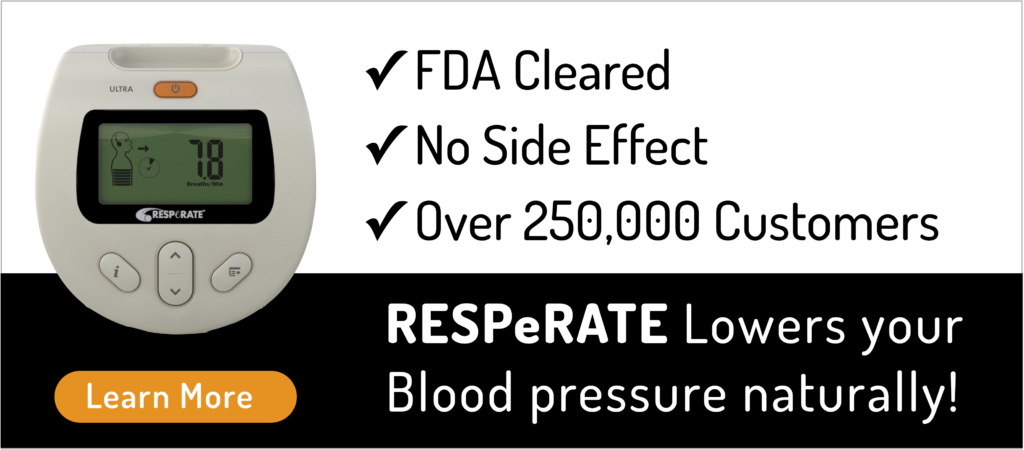
Tips for measuring your resting heart rate
- Do not take your RHR within one to two hours after exercise or a stressful event.
- Your heart rate can stay elevated after strenuous activities.
- Wait at least an hour after consuming caffeine, which can cause heart
- palpitations and make your heart rate rise.
- The American Heart Association recommends checking your resting heart rate first thing in the morning (but before you get out of bed).
Although there’s a wide range of normal, an unusually high or low heart rate may indicate an underlying problem. Consult your doctor if your resting heart rate is consistently above 100 beats a minute (tachycardia) or if you’re not a trained athlete and your resting heart rate is below 60 beats a minute (bradycardia) — especially if you have other signs or symptoms, such as fainting, dizziness or shortness of breath.
Monitoring your resting heart rate is a quick and valuable way to stay in tune with your body’s well-being. By tracking your pulse regularly, adopting heart-healthy habits like exercise, balanced nutrition, and stress management, you can keep your heart strong and your blood pressure stable.
If your resting heart rate is consistently too high or too low, it’s a good idea to discuss it with your healthcare provider. Taking a few minutes each day to check in with your heart can lead to a lifetime of better health and vitality.


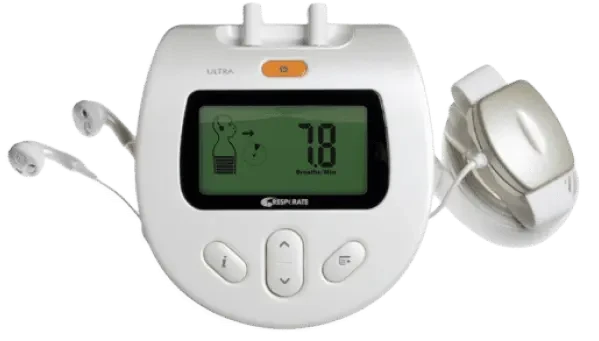
 Clinically proven





Comments
2 Replies to “Resting Heart Rate Explained: Find Out What’s Normal for You”
Great. Information. To. Help. People. Live. A. Healthy. Life
Hi Marsha, Thank you for sharing. Kindest Regards, Eli.