
 Brian Fairchild
REM sleep blood pressure patterns look nothing like the calm picture painted by deep sleep. Deep sleep lowers your heart rate and gives your arteries a break. REM sleep does the opposite. Blood pressure spikes in sudden surges, sometimes several times a night. This happens even when you lie still with your eyes closed.
This is the third post in a five-part series on sleep and blood pressure. The first post covered the nightly dip that protects your heart. The second explained why deep sleep matters so much for cardiovascular repair. This post turns to REM sleep instead. In many ways, it behaves like a mirror image of deep sleep when it comes to blood pressure.
It was 150/100, this morning it was 110/79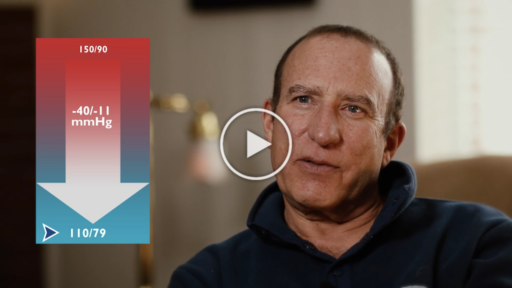
Watch How Mark Lowered His Blood Pressure Naturally.
The Surge Hidden Inside REM Sleep
During REM sleep, your brain becomes almost as active as it is while you are awake. Your muscles, however, stay mostly paralyzed except for brief moments called REM twitches. A landmark study in the New England Journal of Medicine found that REM twitches trigger abrupt blood pressure surges. Sympathetic-nerve activity spikes at the same moment. It then drops just as quickly once the twitch passes.
These surges move fast. In fact, a review of REM sleep research found that blood pressure spikes during REM sleep typically last only a few seconds before settling. Researchers still do not fully understand what triggers each individual spike. Even so, the pattern shows up consistently across sleep studies. This consistency points to something built into REM physiology itself.
Why REM Sleep Matters for People With High Blood Pressure
REM sleep carries extra weight for people already managing hypertension. A 2021 study in Scientific Reports measured blood pressure during REM and non-REM sleep in patients with obstructive sleep apnea. Nearly all participants failed to show a normal blood pressure dip during REM sleep. That pattern increases cardiovascular risk over time.
REM sleep produces a larger sympathetic surge than non-REM sleep. As a result, doctors increasingly assess REM-specific dipping when evaluating patients at risk for stroke or heart disease. This distinction did not exist in older sleep studies. Those studies often averaged blood pressure across an entire night instead of separating sleep stages.
It was 170/110, this morning it was 120/80
Watch how Julie Lowered her Blood Pressure Naturally.


The Long-Term Pattern: REM Sleep Over Years, Not Just One Night
REM sleep does not only matter night to night. It also predicts cardiovascular risk over years. The Wisconsin Sleep Cohort Study tracked sleep patterns over time. People who later developed hypertension, the study found, lost a larger share of their REM sleep than people who did not.
Other research points in the same direction. The Sleep Heart Health Study followed nearly 4,500 adults for almost 11 years. Each five percent increase in REM sleep, the study found, corresponded to a 12 percent lower risk of heart failure. More recently, a 2024 analysis of wearable-device data reached a similar conclusion. Lower proportions of REM and deep sleep, drawn from the All of Us Research Program, accompanied a higher rate of atrial fibrillation.
Stress Hormones and the REM Connection
Short or frequently interrupted sleep does more than raise blood pressure. It also triggers a surge in stress hormones such as cortisol and adrenaline, according to cardiology experts at Geisinger. These hormones add to vascular inflammation. Additionally, they keep the cardiovascular system on alert well after you wake up.
REM sleep sits close to the center of this pattern. REM already pushes your nervous system into a stress-like state each night. Poor REM sleep may therefore add to the hormonal load carried during the day. Researchers have not yet pinned down exactly how much REM sleep itself drives this hormonal response. Still, the overlap between REM physiology and the body’s broader stress response is well documented and worth watching.
How to Protect Your REM Sleep
A few habits help protect REM sleep specifically, rather than sleep in general. Keep a consistent sleep and wake time, including on weekends. Avoid alcohol within a few hours of bedtime. Alcohol suppresses REM sleep and delays it later into the night. Limit caffeine in the afternoon and evening. Treat undiagnosed sleep apnea, since it disrupts REM sleep more than any other stage. Also protect a full seven to eight hours of sleep. REM periods lengthen later in the night, so cutting sleep short trims REM time first. For a deeper look at what happens before REM sleep begins and why lying awake at night may be raising your blood pressure, see our post on can’t fall asleep and blood pressure.
Where RESPeRATE Fits
REM sleep is one piece of a much larger picture. Managing blood pressure well usually involves several strategies working together, from diet and exercise to physician-directed treatment. RESPeRATE works alongside your physician-directed treatment plan as part of an overall health program. For more on how it fits into a broader blood pressure strategy, see How It Works and Clinical Proof.


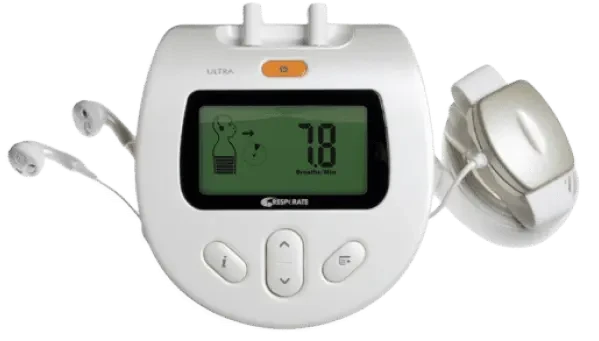
 Clinically proven

 Eli
Eli 





Comments