
 Brian Fairchild
Vitamin D is best known for supporting bone health. Research also suggests it plays an important role in heart health and blood pressure regulation. In recent years, scientists have explored whether low vitamin D levels raise the risk of hypertension. The condition affects millions of people worldwide. Understanding this connection may help explain why vitamin D deficiency is more than just a nutritional concern.
Hypertension, or high blood pressure, is a major risk factor for heart disease, stroke, and other cardiovascular conditions. Studies indicate that vitamin D may influence blood vessel function, inflammation, and the renin-angiotensin system. All three mechanisms directly govern blood pressure. When vitamin D levels are low, these mechanisms may not function efficiently, potentially contributing to elevated blood pressure.
Vitamin D deficiency is now increasingly common due to limited sun exposure, dietary gaps, and lifestyle factors. Its potential impact on hypertension has therefore become more relevant. This article examines the scientific evidence behind the relationship between low vitamin D levels and high blood pressure, and what it means for cardiovascular health.
It was 150/100, this morning it was 110/79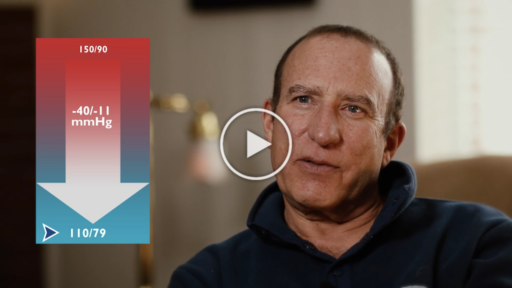
Watch How Mark Lowered His Blood Pressure Naturally.
What Is Vitamin D Deficiency?
The skin produces vitamin D when ultraviolet B radiation from the sun reaches it. Dietary sources also provide some vitamin D. However, food sources rarely contain it naturally, and fortification programs deliver inconsistent or inadequate amounts.
Sun exposure is the primary source of vitamin D. However, where you live, the time of day, and what you wear all affect how much your body actually absorbs. In fact, an estimated 45 to 70 percent of the population is deficient in vitamin D.
Vitamin D deficiency can cause depression, bone pain, fatigue, and muscle or joint weakness. It also links with osteoarthritis, autoimmune disorders, multiple sclerosis, diabetes, and cancer.
It is also important to note that low vitamin D levels are particularly common in African Americans. People with obesity, chronic kidney disease, or digestive disorders such as Crohn’s disease and celiac disease also face higher risk. So do adults over 65.
Vitamin D and High Blood Pressure
Vitamin D deficiency is a recognized sign of cardiovascular conditions, including high blood pressure. Research also suggests a connection between low vitamin D levels and an increased hypertension risk.
A 2014 study in The Lancet: Diabetes and Endocrinology found a genetic association between low vitamin D and high blood pressure. The meta-analysis pooled 35 studies covering 108,173 participants of European ancestry living in North America and Europe.
Will taking a vitamin D supplement help treat hypertension if your levels are low? The evidence is not yet conclusive. Some recent studies have shown positive results for vitamin D as a blood pressure support. Overall, however, study results remain mixed.
A 2017 study published in Nutrients found that experimental and epidemiologic studies point to multiple ways vitamin D may help control blood pressure.
Researchers continue to study the relationship between vitamin D deficiency and hypertension. Growing evidence suggests that maintaining adequate vitamin D levels may support blood pressure regulation. If you suspect you have a vitamin D deficiency, speak with a healthcare professional to determine the best course of action.
It was 170/110, this morning it was 120/80
Watch how Julie Lowered her Blood Pressure Naturally.


Final Thoughts
A growing body of research links low vitamin D levels to a higher hypertension risk. Researchers need more studies to fully clarify the relationship. Vitamin D appears to support healthy blood vessel function and regulate processes involved in blood pressure control. Maintaining adequate levels is an important part of overall heart health.
Vitamin D alone is not a cure for high blood pressure. However, maintaining healthy levels may support other lifestyle strategies such as a balanced diet, regular exercise, and stress management. For people at risk of deficiency, addressing vitamin D intake through sunlight, food sources, or supplementation is worth discussing with a healthcare professional.
Sunlight also lowers blood pressure through a second mechanism that has nothing to do with vitamin D. For a deeper look at this mechanism, see our post on ultraviolet light and blood pressure.
If you have concerns about hypertension or vitamin D deficiency, speak with a medical provider for proper testing and personalized advice. Understanding how vitamin D fits into cardiovascular health helps you make informed decisions that support long-term well-being.
How to Lower Blood Pressure Naturally
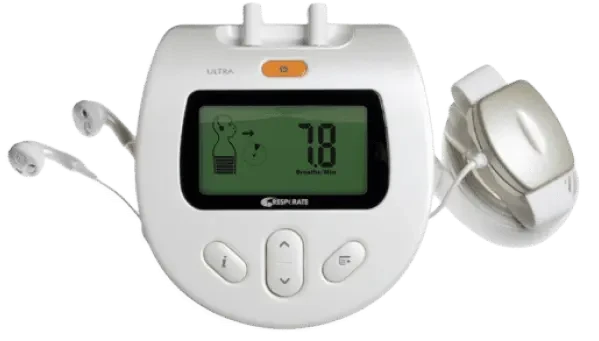
Addressing vitamin D deficiency is one piece of a broader blood pressure management approach. RESPeRATE works alongside your physician-directed treatment plan as part of your overall health program. It is the only FDA-cleared non-drug device clinically proven to lower blood pressure — with more than 50 published studies behind it. Use it alongside dietary and lifestyle strategies for comprehensive blood pressure support. Review the full evidence at our clinical proof page.

 Clinically proven

 Eli
Eli 





Comments
5 Replies to “Can Low Vitamin D Levels Increase Your Risk of Hypertension?”
I like more info on this subject matter
You can go to our website and search “Vitamin D” we have a few past articles about the subject.
Please I need one of REAPeRATE .I Live in West Africa – Ghana and how much is it thanks
Thank you for your article. I have a diet for blood pressure control, including fruits with high levels of vitamin C, such as oranges, grapefruit, mandarin, and bananas. According to the results from the automatic blood pressure monitor, my blood pressure has stabilized.
So glad to here it has helped control your HBP.
Comments are closed.