
 Eli Ben-Yehuda
High blood pressure — often called the silent killer — affects more than a billion people around the world. You may feel perfectly fine, yet your heart and blood vessels could be under serious strain. The good news? With the right knowledge and daily habits, you can take charge of your blood pressure and protect your long-term health.
Let’s explore what high blood pressure really is, why it matters, and the simple steps you can take to keep your numbers in a healthy range.
What Exactly Is Blood Pressure?
Blood pressure (BP) is the force of your blood pushing against your artery walls as your heart pumps. Think of your arteries as flexible tubes carrying life-giving blood throughout your body. When your heart beats, it pushes blood through those tubes — and that pressure needs to be just right.
Blood pressure is measured with two numbers:
- Systolic pressure (the top number): the pressure when your heart beats.
- Diastolic pressure (the bottom number): the pressure when your heart relaxes between beats.
A normal reading is typically around 120/80 mmHg. You’re considered to have high blood pressure (hypertension) if your numbers stay at or above 130/80 mmHg over time.
Why High Blood Pressure Is Dangerous
At first, high blood pressure doesn’t cause noticeable symptoms. That’s why it’s called the silent killer. But behind the scenes, it can quietly damage your arteries, heart, kidneys, eyes, and even your brain. Over time, uncontrolled hypertension can lead to:
-
- Heart disease and heart attacks
- Stroke
- Kidney failure
- Vision loss
- Memory problems or dementia
Each of these complications develops slowly — often over years — but the cumulative effect can be life-threatening. That’s why prevention and early detection are so critical.
What Causes High Blood Pressure?
Blood pressure can rise for many reasons. Some factors are beyond your control, while others are linked to lifestyle choices.
Common causes and risk factors include:
-
-
- Family history: If your parents or siblings have hypertension, your risk increases.
- Age: Blood vessels naturally stiffen as we get older.
- Excess weight: Carrying extra pounds forces your heart to work harder.
- High sodium diet: Too much salt retains water and increases blood volume.
- Lack of physical activity: Sedentary lifestyles reduce heart efficiency.
- Smoking and alcohol: Both constrict blood vessels and raise BP.
- Stress: Chronic tension triggers hormonal responses that elevate BP.
- Underlying conditions: Such as diabetes, kidney disease, or hormonal disorders.
-
While you can’t change your genes or age, you have tremendous power to influence many of these factors through healthy habits.
Recognizing Symptoms — or the Lack of Them
Most people with high blood pressure have no symptoms at all. You might feel perfectly healthy — until a routine check reveals elevated numbers.
However, very high readings (called hypertensive crises) can cause:
-
-
- Severe headaches
- Nosebleeds
- Chest pain
- Vision changes
- Shortness of breath
-
If you ever experience these symptoms, seek medical attention immediately.
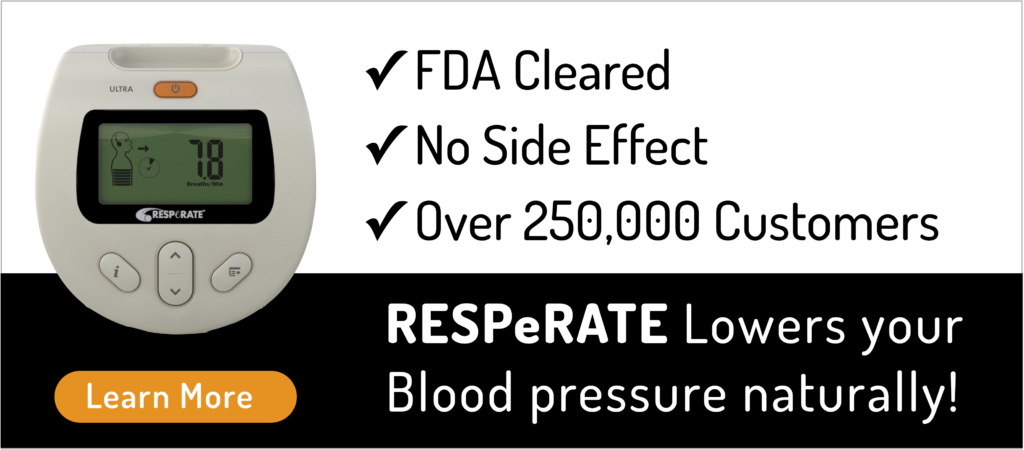
Because hypertension is mostly silent, regular monitoring is essential. Many people use a home blood pressure monitor or a device like RESPeRATE, which helps reduce stress and lower BP naturally through guided breathing.
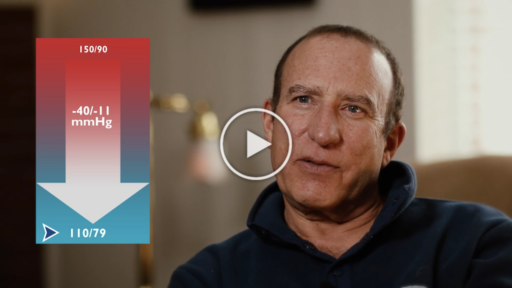
Watch How Mark Lowered His Blood Pressure Naturally.
It was 150/100, this morning it was 110/79
Lifestyle Changes That Make a Big Difference
You don’t need a complete life overhaul to improve your blood pressure — small, steady changes can have powerful effects.
1. Eat for Your Heart
Focus on whole, nutrient-rich foods. The DASH diet (Dietary Approaches to Stop Hypertension) is a proven approach that emphasizes:
-
-
- Fruits and vegetables
- Whole grains
- Lean proteins (like fish, chicken, beans)
- Low-fat dairy
- Nuts and seeds
-
At the same time, limit salt, added sugars, and processed foods.
Try flavoring your meals with herbs, lemon, or garlic instead of salt.
2. Get Moving
Aim for at least 30 minutes of moderate exercise most days. Brisk walking, swimming, cycling, or dancing all count. Exercise strengthens your heart so it can pump blood with less effort, reducing the pressure on your arteries.
Maintain a Healthy Weight
Even losing 5–10 pounds can make a measurable difference in your blood pressure.
Your doctor can help you set a realistic target weight and plan for gradual progress.
4. Manage Stress
Chronic stress keeps your body in “fight or flight” mode — increasing heart rate and tightening arteries.
Relaxation techniques like deep breathing, meditation, yoga, or biofeedback tools can help calm your nervous system and lower BP naturally.
5. Limit Alcohol and Quit Smoking
Alcohol: If you drink, do so in moderation — up to one drink a day for women and two for men.
Smoking: Each cigarette temporarily spikes your BP, and over time, smoking damages blood vessels permanently. Quitting brings almost immediate health benefits.
6. Sleep Well
Poor sleep or sleep apnea can worsen hypertension. Strive for 7–9 hours of restful sleep each night and establish a relaxing bedtime routine.
When Lifestyle Changes Aren’t Enough
Sometimes, despite your best efforts, blood pressure remains high. In these cases, doctors may prescribe medications to help.
Common types include:
-
-
-
- Diuretics – help your body eliminate extra salt and water.
- ACE inhibitors and ARBs – relax blood vessels.
- Beta-blockers – slow your heart rate.
- Calcium channel blockers – prevent blood vessel constriction.
-
-
Medication isn’t a failure — it’s a tool to protect your heart and organs.
Most people need a combination of medicine and healthy habits for best results.
Monitoring and Prevention: Know Your Numbers
The only way to know if you have hypertension is to measure it regularly.
Here’s how to stay on top of it:
-
-
-
- Check your blood pressure at home using a validated monitor.
- Record your readings in a logbook or app.
- Bring the log to your doctor visits.
- Pay attention to trends — not just one-time readings.
-
-
Aim to keep your numbers below 120/80 mmHg if possible. Even a modest improvement — say, from 145/90 to 130/85 — can significantly reduce your risk of heart attack or stroke.
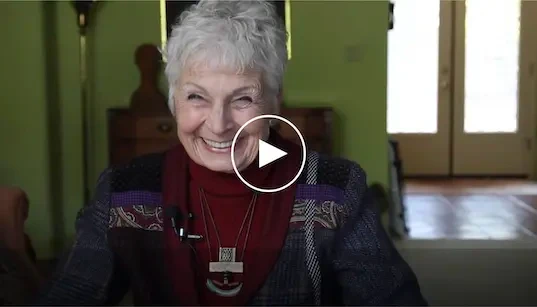
Watch how Julie Lowered her Blood Pressure Naturally.
It was 170/110, this morning it was 120/80
Learn More

The Power of Breathing and Relaxation
Recent research highlights how deep, slow breathing can help lower blood pressure by calming the autonomic nervous system.
Devices like RESPeRATE, for example, guide you through slow, paced breathing using gentle musical tones. Clinical studies have shown this technique can lead to sustained reductions in blood pressure — especially when combined with other lifestyle changes.
It’s a reminder that relaxation isn’t a luxury — it’s part of your health care.
Bigger Picture: Your Heart Deserves Care
Think of managing blood pressure not as restriction, but as self-care.
Every healthy meal, every walk, every deep breath is an investment in your heart’s future.
Small daily choices — like swapping soda for water, taking the stairs, or unplugging for a few minutes of calm — add up over time.
And the payoff is huge: more energy, fewer health worries, and a stronger, longer life.
Final Thoughts
High blood pressure is common, but it’s not inevitable.
Understanding your risks, taking regular readings, and adopting heart-healthy habits can change the course of your health story.
Start today — check your BP, take a deep breath, and make one small change.
Your heart will thank you for it.


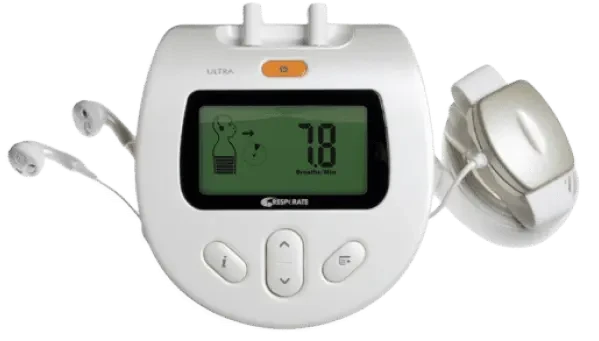
 Clinically proven





Comments