
 Eli Ben-Yehuda
Heart disease remains the number one cause of death among women, yet many don’t realize how strongly high blood pressure influences their risk. Hypertension often develops silently, without noticeable symptoms, making prevention and early action essential. How Women Can Prevent Hypertension and Lower Heart Attack Risk is all about understanding the unique factors that affect women’s heart health and the powerful steps you can take to protect yourself.
Women experience heart disease differently than men, with hormonal changes, pregnancy-related conditions, and menopause all playing important roles in cardiovascular health. These factors can make women more vulnerable to rising blood pressure and hidden heart strain. By recognizing these risks early and making intentional lifestyle choices, you can significantly reduce the chance of developing hypertension and, ultimately, lower your risk of heart attack.
From smart nutrition and stress management to exercise routines and routine checkups, there are many effective ways to support a strong and healthy heart. This guide will walk you through science-backed strategies designed specifically for women, helping you take control of your well-being with confidence. With the right knowledge and habits, preventing hypertension becomes not only possible—but empowering.
Why Hypertension Puts Women at Risk
High blood pressure, or hypertension, is a dangerous condition that affects nearly half of all adults. According to the most recent CDC data, 50.8% of men and 44.6% of women have hypertension. The CDC reports that in 2020, more than 670,000 deaths in the United States had hypertension as a primary or contributing cause. High blood pressure is called the “Silent Killer” because there are no symptoms until it is too late. But if there are symptoms – doctors are more likely to miss them – when women patients are concerned.
Misdiagnosed Heart Attack in Women
Doctors are more likely to dismiss heart attack symptoms as not heart related in women younger than 55, according to a study published in Circulation February 20th, 2018. According to the article, women are less likely to present with chest pain for acute myocardial infarct AMI.
The researchers interviewed more than 2,000 women and 976 men ages 18-55 who were hospitalized for a heart attack – what physicians call an acute myocardial infarct – at 100 hospitals that participated in the study.
The report stated that both men and women reported chest pain and pressure. However, women were more likely to present with other symptoms as well. For example, women were more likely to report a jaw, neck, and arm pain. They also reported indigestion or shortness of breath. Also, women were more likely than men to tell their physicians that they thought it was stress related.
How Heart Attack Symptoms Differ by Sex
Recognizing these differences can be lifesaving, since symptoms often look nothing alike between men and women.
Typical symptoms in men:
- Localized pain on the left side of the body, usually the left chest or arm
- Often described as crushing or debilitating pain
In women:
- More likely to experience exhaustion, dizziness, shortness of breath, or nausea.
- If they have localized pain, it may be in the jaw or neck and in either or both arms.
- Often describe flu-like/ and or non-specific symptoms
Women are usually in their 70’s when they suffer their first heart attack, which far too often is fatal. That is because so many of the early warning signs have been misread. Women are much more likely to die within their first year after having a heart attack.

Menopause and Heart Disease
When it comes to heart disease, the hormone estrogen offers amazing cardiac protection for women. With the loss of estrogen, due to menopause, low-density lipids or LDL’s the bad cholesterol begins to rise. Conversely, the HDL or high-density lipids begin to drop.
Postmenopausal women have greater levels of cholesterol than do men of the same age. If you combine this with an unhealthy elevation of triglycerides, postmenopausal women over the age of 65 are left at an unusually higher risk of death from heart disease.
6 signs of Heart Attack in Women
- Pain/tightness in the chest – A common symptom is a feeling of tightness. Pressure or discomfort in the chest. Chest pain is caused by blockages within the main heart arteries. Women also have a tendency to have blockages in small arteries coming from the heart. This is known as microvascular coronary disease. Because of this, chest pain may not be the worst or most recognizable symptoms for a woman.
- Shortness of Breath (SOB) – You may feel like you cannot breathe properly or you cannot get enough air into your lungs. Some women even experience difficulty breathing a few weeks before having a heart attack.
- Nausea/Vomiting or Sweating – You may feel queasy or actually vomit. You may also feel sweaty and clammy.
- Lightheadedness/ Dizziness – You may feel lightheaded, dizzy, or just not feel “Quite With It”.
- Pain In Other Parts Of The Body – You may feel pain or pressure in your jaw, neck, arm, lower or upper back, belly or torso. You may feel like you have indigestion or heartburn. Remember pain is the body’s way of telling you that something is wrong.
- Unusual Fatigue/Weakness – You may suddenly feel very tired or very weak. These symptoms can occur with or without chest discomfort.
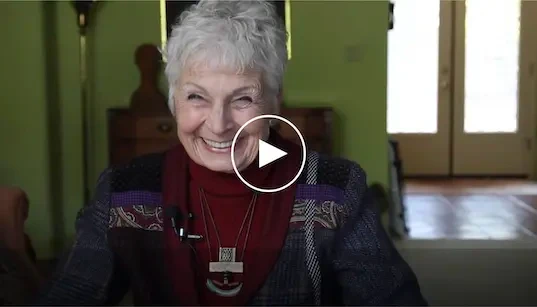
Watch how Julie Lowered her Blood Pressure Naturally.
It was 170/110, this morning it was 120/80
Learn More
Women and High Blood Pressure
A common misconception is that high blood pressure rarely affects women. Yet nearly half of all adults with high blood pressure are women. Also at age 65 and up women are more likely to have high blood pressure than men.
While high blood pressure is not directly related to gender, throughout a woman’s life, health issues like pregnancy, birth control, and menopause increase the risk of developing high blood pressure.
Risks & Treatments
You may be surprised to learn that many women take blood pressure drugs but still have high blood pressure. This is especially true for older women. Why? There are numerous reasons. Some women may not take their drugs as prescribed, whether incorrect amounts or at the wrong times. For others, a drug may not lower their blood pressure enough.
To prevent stroke, heart attack or heart failure, blood pressure must be controlled to below 120/80.
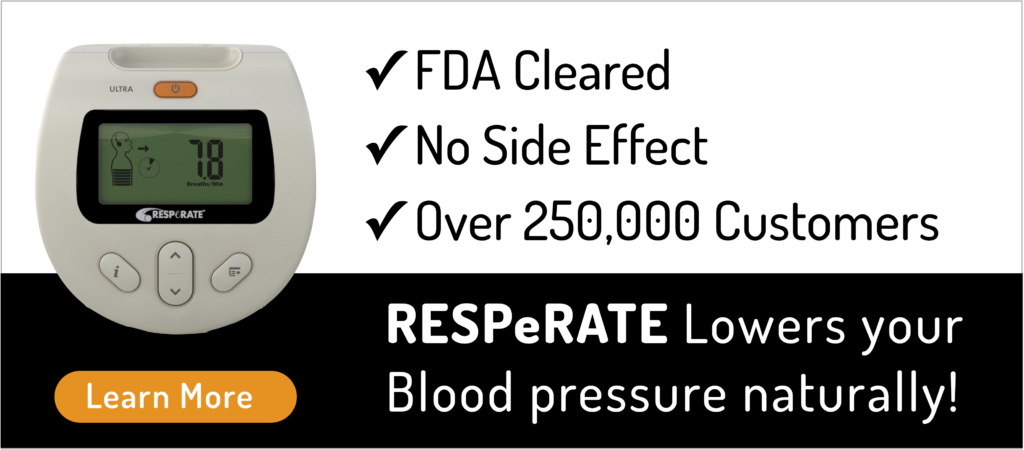
So make sure you’re in control of your high blood pressure. Talk to your doctor and ask about your blood pressure level. If it is too high, ask about adjusting your drug and making lifestyle changes that will bring your blood pressure down. RESPeRATE’s clinically proven breathing therapy is one option to discuss with your doctor as part of your overall treatment plan. See how it works.
Taking Control of Your High Blood Pressure
The optimum blood pressure target is different for different people.
Official guidelines are just that: They guide doctors and patients. “But every patient is different,” says Townsend, one of the country’s leading experts on hypertension. For patients at low cardiovascular risk, a higher systolic target may be acceptable. The same may be true for some high-risk patients who can’t tolerate aggressive therapy because of side effects. “With a 69-year-old who’s already taking four blood pressure medications to get down to 135, you have to think carefully about whether it’s worth adding another medication,” Townsend says. The best advice is to ask your doctor what’s right for you.
There are many things you can do to help yourself avoid high blood pressure and heart attack. If you are a woman, know the signs and symptoms, and don’t shrug them off as just anxiety. Partners should know the signs too. If you see a loved one exhibiting these signs, sit her down and call 911.
Final Thoughts
Protecting your heart doesn’t have to feel overwhelming. With practical, sustainable changes, women can dramatically reduce their risk of developing hypertension and prevent future heart complications. Whether it’s prioritizing movement, choosing heart-healthy foods, or building stress-reducing habits, each small step adds up to powerful long-term protection.
Understanding your risk factors—and paying attention to warning signs—gives you an important advantage. Regular blood pressure monitoring, routine checkups, and open communication with your healthcare provider ensure you stay ahead of potential issues. When women take charge of their heart health early, the chances of experiencing a heart attack later in life drop significantly.
By applying the strategies outlined in this guide, you’re investing in a healthier future. Now you have the tools to support balanced blood pressure, strengthen your cardiovascular system, and reduce your heart attack risk. Your heart is your body’s powerhouse—nourish it, protect it, and give it the care it deserves.
RESPeRATE works alongside your physician-directed treatment plan to support healthy blood pressure naturally. Download RESPeRATE’s printable clinical brochure to learn more.


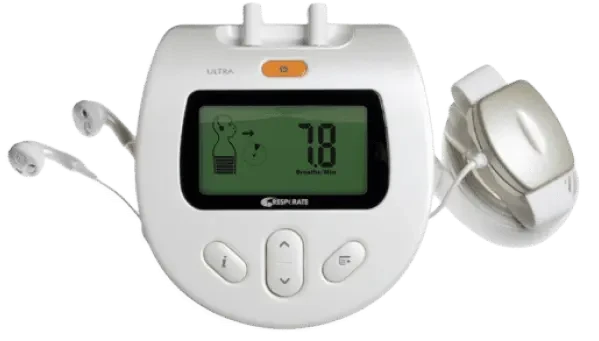
 Clinically proven





Comments