
 Brian Fairchild
Natural ways to lower blood pressure are often the first strategy cardiologists reach for, well before discussing prescription options. Preventive cardiologists at Harvard Medical School and Columbia University Medical Center point to the same core set of lifestyle changes as the foundation of blood pressure management. The evidence behind these approaches is substantial, and many people see meaningful results from one or more of them.
High blood pressure above 130/80 puts steady strain on your arteries, heart, kidneys, and brain over time. The good news is that several of the factors driving it are within your control. The seven approaches below each have clinical evidence behind them.
1. Reach and Maintain a Healthy Weight
Carrying extra weight increases the workload on your heart and raises the pressure in your blood vessels. Losing even 5 to 10 pounds produces a measurable drop in blood pressure for many people, particularly those with a body mass index above 25. The relationship is roughly linear: each kilogram of weight lost tends to reduce systolic pressure by about 1 mmHg, according to data from large intervention trials.
You do not need to reach an ideal weight to see a benefit. Incremental progress matters. Combining modest calorie reduction with regular physical activity produces better results than either approach alone.
2. Improve Your Diet
Plant-rich diets consistently outperform standard Western eating patterns when it comes to blood pressure. Fruits, vegetables, whole grains, and legumes all contribute potassium, magnesium, and fiber, three nutrients that support healthy vascular function. The DASH diet (Dietary Approaches to Stop Hypertension) was specifically developed to test this, and the DASH-Sodium trial published in the New England Journal of Medicine found that following the diet alongside modest sodium reduction lowered systolic blood pressure by up to 8.9 mmHg in people with hypertension.
Processed foods are the main source of hidden sodium in most diets. Canned soups, packaged bread, deli meats, and snack foods can each contain several hundred milligrams of sodium per serving, well before you pick up a saltshaker.
3. Reduce Sodium Intake
The relationship between sodium and blood pressure is well established. Excess sodium draws water into the bloodstream, increasing blood volume and raising pressure. The American Heart Association recommends keeping sodium below 2,300 mg per day, with a target of 1,500 mg for people with existing hypertension.
In practice, that means reading labels on packaged foods and eating out less often, since restaurant meals tend to be high in sodium regardless of how they appear on the menu. Cooking at home and seasoning with herbs, citrus, and spices instead of salt gives you direct control over your intake.
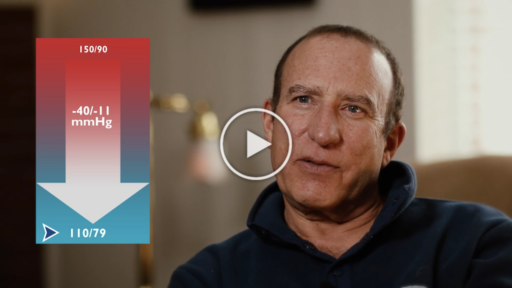
Watch How Mark Lowered His Blood Pressure Naturally.
It was 150/100, this morning it was 110/79

4. Exercise Regularly
Regular aerobic exercise lowers blood pressure through several mechanisms. It improves the elasticity of blood vessels, reduces resting heart rate, and supports weight management. A 2013 meta-analysis of 93 trials in the Journal of Human Hypertension found that aerobic exercise reduced resting systolic blood pressure by an average of 3.5 mmHg across all participants, with larger effects in people who started with higher readings.
Thirty minutes of moderate aerobic activity on most days is a reasonable starting point. Walking is one of the most accessible options, and research supports its effectiveness. For more on how to build a walking routine for blood pressure, see the exercise guidance on this blog.
5. Limit Alcohol
Alcohol raises blood pressure, particularly with regular or heavy consumption. A 2012 meta-analysis in the Journal of Hypertension found that reducing alcohol intake lowered systolic blood pressure by an average of 3.31 mmHg, with a clear dose-response relationship: the more the reduction in alcohol, the greater the drop in pressure.
Standard guidance is to keep intake to no more than two drinks per day for men and one for women. One drink equals 12 oz of regular beer, 5 oz of wine, or 1.5 oz of 80-proof spirits. If your intake is currently higher than these levels, reducing it is one of the more direct levers available to you.
6. Manage Stress Consistently
Stress does not just feel bad. It triggers physiological responses, including adrenaline and cortisol release, that raise heart rate and constrict blood vessels. Chronic stress keeps these responses active at a low level, which contributes to persistently elevated blood pressure over time.
Several relaxation practices have demonstrated measurable effects on blood pressure in controlled trials. A 2012 study in Circulation: Cardiovascular Quality and Outcomes found that a structured meditation practice reduced systolic blood pressure by 4.7 mmHg over five years, with a 48% reduction in cardiovascular events. Mindfulness meditation is one accessible option; yoga, deep breathing exercises, and consistent sleep schedules each address the same underlying stress physiology through slightly different pathways.
Getting adequate sleep is part of this category as well. Poor sleep quality increases blood pressure the following day and, over time, contributes to chronic elevation. Prioritizing seven to eight hours of consistent sleep supports the same stress-reduction goals as the practices listed above.

Watch how Julie Lowered her Blood Pressure Naturally.
It was 170/110, this morning it was 120/80
Learn More

7. Consider Targeted Supplements
Certain supplements have shown modest but consistent effects on blood pressure in clinical research. Vitamin D, magnesium, omega-3 fatty acids, and anthocyanins are among the best-studied in this area. None of them replace lifestyle changes, and none produce the same magnitude of effect as a full dietary or exercise intervention. However, they can be a useful addition for people who are already addressing the basics.
The supplements section of this blog covers individual options in more depth, including the evidence behind magnesium, omega-3 fatty acids, and vitamin D specifically for blood pressure.
How RESPeRATE Fits In
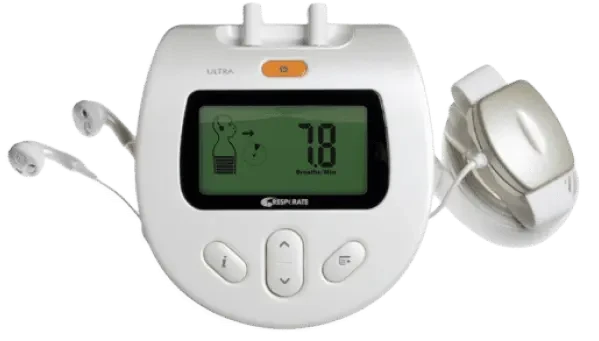
RESPeRATE is an FDA-cleared device that uses device-guided slow breathing to support healthy blood pressure as part of your overall health program. It works alongside the lifestyle changes described above, not instead of them. Over 52 clinical studies support its use, and it is physician-recommended as a complement to your treatment plan.
Learn more about how it works at resperate.com.
The Bottom Line
Natural ways to lower blood pressure work best when you treat them as a system rather than a checklist. Diet and sodium reduction work better together than either does alone. Exercise supports weight management and vascular health simultaneously. Stress management and sleep reinforce each other. Starting with one or two of these approaches and building from there is more sustainable than trying to change everything at once.
Each of these strategies has a meaningful body of evidence behind it. The key is consistency over time, not perfection on any single day.

 Clinically proven


 Eli
Eli 




Comments