
 Brian Fairchild
EDITORIAL NOTE: This post was originally published in September 2025 and has been substantially updated in July 2026 to reflect peer-reviewed evidence published since that time, including a 2024 GRADE-assessed meta-analysis of randomized controlled trials on the ketogenic diet and blood pressure, a 2024 Clinical Kidney Journal review of keto risks in chronic kidney disease, and a 2024 American Journal of Clinical Nutrition meta-analysis of keto and cardiovascular risk factors. The update also addresses reader questions about kidney health and the keto diet, which were raised in response to the original post.
Introduction
The ketogenic diet attracts strong opinions from both directions. Advocates credit it with dramatic weight loss, improved blood sugar control, and better energy. Critics point to the high saturated fat content, low long-term adherence rates, and legitimate concerns about kidney and cardiovascular health. When it comes to blood pressure specifically, the picture is more nuanced than either camp typically acknowledges. Understanding what the peer-reviewed evidence actually shows, as opposed to what bloggers and book promoters claim, matters a great deal for anyone managing hypertension. For a broader look at how dietary choices affect blood pressure, see our article on whether food choices impact hypertension.
It was 150/100, this morning it was 110/79
Watch How Mark Lowered His Blood Pressure Naturally.
What the Ketogenic Diet Actually Is
The ketogenic diet is a very low carbohydrate, high fat eating pattern that typically limits carbohydrates to under 50 grams per day. At that level, the body exhausts its glucose stores. It then shifts to producing ketone bodies from fat as its primary fuel. Doctors call this metabolic state nutritional ketosis.
Standard ratios on a ketogenic diet run roughly 70 to 75 percent of calories from fat, 20 percent from protein, and 5 to 10 percent from carbohydrates. The foods that fit within this framework include meat, fish, eggs, cheese, nuts, seeds, non-starchy vegetables, and oils. The foods excluded include grains, most fruits, legumes, starchy vegetables, and anything with added sugar.
Ketosis itself is a normal metabolic process. Do not confuse it with diabetic ketoacidosis, a dangerous condition that affects people with uncontrolled type 1 diabetes. The two are frequently confused. Nutritional ketosis involves ketone levels of 0.5 to 3.0 millimoles per liter. Diabetic ketoacidosis runs many times higher, combined with uncontrolled blood glucose.
What the Evidence Shows About Keto and Blood Pressure
The most rigorous review to date
A 2024 GRADE-assessed systematic review and meta-analysis by Amini and colleagues, published in Nutrition, Metabolism and Cardiovascular Diseases, is the most methodologically rigorous synthesis of the evidence to date. The researchers searched four major databases, identified eligible randomized controlled trials, and applied GRADE evidence scoring. Their conclusion was direct: ketogenic diets do not appear to reduce blood pressure effectively. The pooled trials found no significant reductions in either systolic or diastolic blood pressure. Furthermore, no association between fat intake proportion and blood pressure outcomes appeared in dose-response analysis.
That finding does not rule out all cardiovascular effects. However, it does mean that any blood pressure benefit from a ketogenic diet appears indirect — driven primarily by weight loss rather than by the metabolic state of ketosis itself.
Where keto does show cardiovascular benefit
A separate 2024 meta-analysis published in the American Journal of Clinical Nutrition by Wang and colleagues found that the ketogenic diet does produce meaningful short-term improvements in several cardiovascular risk factors: triglyceride levels, blood glucose control, and body weight all fell significantly across the included trials. However, the same meta-analysis found that the ketogenic diet raised total cholesterol and LDL — both flagged as cardiovascular risk factors by the AHA particularly in high-saturated-fat diets. The net cardiovascular effect of keto is therefore a mixed picture: some markers improve, some worsen, and blood pressure does not reliably respond to the diet itself.
The weight loss connection
The strongest case for keto and blood pressure runs through weight loss. The ketogenic diet consistently produces faster short-term weight loss than low-fat diets, and weight loss reliably reduces blood pressure. Research suggests roughly 1 mmHg of systolic reduction per kilogram lost. For people with elevated blood pressure whose readings are driven partly by excess weight, keto may therefore produce indirect blood pressure improvements through that mechanism. However, as Harvard Medical School notes, The weight loss advantage of keto over other approaches tends to diminish over time, and most studies show poor long-term adherence. For context on how weight and blood pressure interact, see our post on borderline hypertension.
The insulin resistance angle
The ketogenic diet significantly reduces insulin resistance and improves blood sugar control in the short term, particularly in people with type 2 diabetes. Insulin resistance is independently associated with elevated blood pressure through its effects on sodium retention and sympathetic nervous system activity. Improving insulin sensitivity may therefore contribute modestly to blood pressure reduction in people where insulin resistance is a driver of their hypertension. This is a legitimate and mechanistically coherent pathway, though the effect size on blood pressure through this route alone appears modest based on the available trial data. For more on the causes of high blood pressure, see our article on what causes high blood pressure.
It was 170/110, this morning it was 120/80
Watch how Julie Lowered her Blood Pressure Naturally.


The Real Risks — What You Need to Know
Kidney health and the keto diet
This is the concern raised most frequently by readers with existing kidney problems, and it deserves a direct, honest answer. A 2024 review published in the Clinical Kidney Journal by Joshi and colleagues addressed this question specifically. Their findings are clear: for people with chronic kidney disease (CKD), the ketogenic diet carries several meaningful risks. The high fat content — particularly from animal sources — raises saturated fat intake, which may increase cardiovascular risk in a population already at elevated cardiac risk. More critically, ketosis increases the body’s dietary acid load and internal acid production. Fatty acid oxidation drives this. For people with CKD who already trend toward metabolic acidosis, keto can worsen it and may speed kidney function decline. The same review noted higher kidney stone risk, particularly in people using keto for epilepsy management.
It is worth noting that a separate 2024 paper in BMJ Open Diabetes Research and Care argued the case for keto in kidney disease management under certain conditions, suggesting that common concerns about acid load and protein intake may be partially overstated for non-diabetic CKD. The evidence is genuinely divided on this question. The safest position for anyone with existing kidney disease is to discuss keto with their nephrologist before making changes. It is not a diet to begin without medical supervision when CKD is present.
Blood pressure medication interaction
People on blood pressure medication who start a ketogenic diet need to monitor their readings closely. The diet’s diuretic effect in the early weeks can cause blood pressure to drop more than expected when combined with antihypertensive medication, potentially causing symptomatic low blood pressure. Let your physician know before starting. This is a practical safety point, not a reason to avoid the diet, but it requires awareness and monitoring.
LDL cholesterol
A subset of people on ketogenic diets experience significant rises in LDL cholesterol, particularly on versions of the diet high in saturated fat from animal sources. This is not universal, but it is documented in the trial literature. For anyone with existing cardiovascular disease or elevated baseline LDL, regular lipid monitoring while on the diet is prudent.
Long-term safety remains unclear
Most keto trials last 12 weeks to 6 months. Very few extend beyond a year, and none provide robust data on cardiovascular outcomes over a decade or more. The short-term picture is reasonably well characterized. The long-term picture is not. A maximum follow-up duration of around 12 months is the practical guideline most researchers and physicians reference, with close monitoring throughout.
Who May Benefit and Who Should Be Cautious
The ketogenic diet may suit people who are significantly overweight, have type 2 diabetes or insulin resistance alongside elevated blood pressure, and have not responded to other dietary approaches. Close physician supervision, including regular lipid and kidney function monitoring, is essential throughout.
No major hypertension guideline recommends it as a first-line dietary approach for blood pressure management, including the 2025 AHA/ACC framework. For people with chronic kidney disease, do not start it without specific medical clearance and ongoing nephrology supervision. For people with established cardiovascular disease or significantly elevated LDL, the LDL-raising effect of high-saturated-fat versions of the diet requires careful monitoring.
If stress is a significant driver of your blood pressure, dietary changes alone — whether keto or otherwise — cover only part of the picture. See our article on how stress affects blood pressure for a deeper look at the neural component that diet does not directly address.
Where RESPeRATE Fits
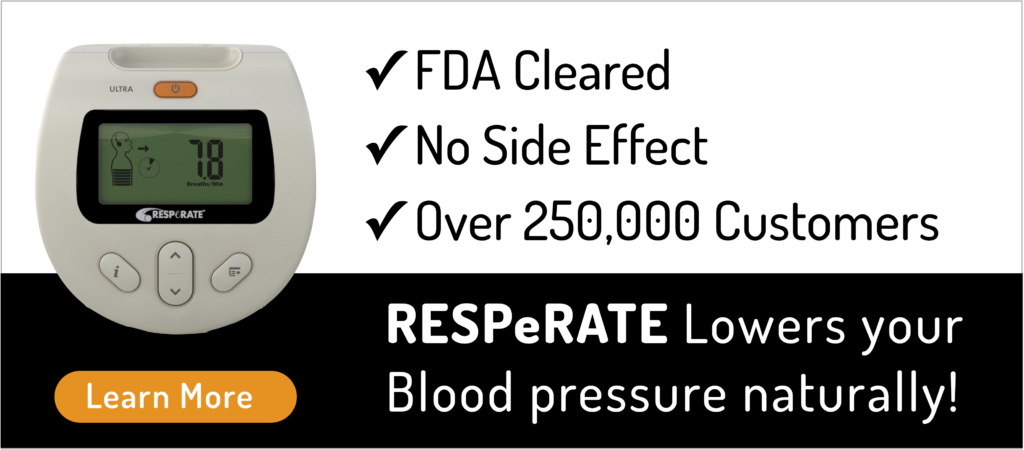
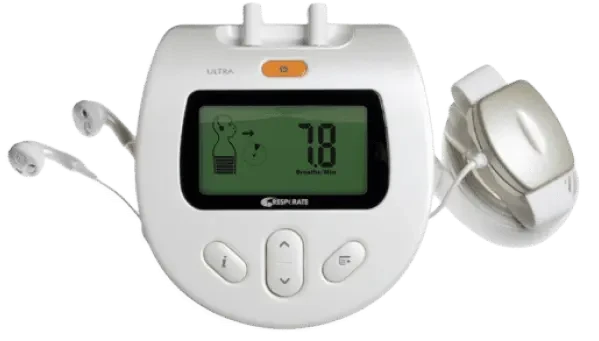
Dietary changes, including the ketogenic diet when appropriate, address the metabolic and vascular drivers of elevated blood pressure. RESPeRATE addresses the neural driver. It is the only FDA-cleared non-drug device clinically proven to lower blood pressure, working by guiding slow breathing with prolonged exhalation to calm the sympathetic nervous system activity that keeps blood pressure elevated independent of diet or weight. It carries no drug interactions, no side effects, and no contraindications with any dietary approach. RESPeRATE works best as part of your overall health program alongside your physician-directed treatment plan. Review the full clinical evidence at our clinical proof page, or learn how it works.
Summary
The ketogenic diet does not directly lower blood pressure based on the best available meta-analysis evidence. Any blood pressure benefit appears to be indirect, driven primarily by weight loss and improved insulin sensitivity rather than by ketosis itself. The diet does improve triglycerides and blood sugar control in the short term, but it raises LDL cholesterol in a meaningful subset of people and carries genuine risks for those with chronic kidney disease, including worsened metabolic acidosis and potential acceleration of kidney function decline. For a full side-by-side look at how keto compares to the most well-studied blood-pressure-specific diet, see our comparison: DASH Diet vs. Keto for Blood Pressure: What the Evidence Actually Recommends.
Those with high blood pressure who are considering the ketogenic diet, the most important steps are: discuss it with your physician first, monitor blood pressure closely especially in the first weeks if you take antihypertensive medication, watch your lipid levels, and keep follow-up appointments. For those who sustain it, keto may lower blood pressure through weight loss. However, it is not a substitute for a comprehensive, medically supervised management plan.

 Clinically proven

 Eli
Eli 





Comments