
 Eli Ben-Yehuda
Hypertension, or high blood pressure, is a common health condition that affects millions of people worldwide. It’s often referred to as a “silent killer” because it can lead to serious health issues like heart disease, stroke, and kidney failure without showing obvious symptoms.
While lifestyle factors such as diet, exercise, and stress management are well-known contributors to lowering hypertension, recent research has shed light on the potential role of vitamin D in blood pressure regulation. In this article, we’ll explore whether a vitamin D deficiency can be a contributing factor to hypertension and what you can do to maintain healthy levels of this essential nutrient.
What is Vitamin D Deficiency?
Vitamin D is produced by the skin when it comes in contact with ultraviolet B radiation from the sun. We also obtain Vitamin D through dietary sources, however, it is not widely found naturally in food sources and food fortification has been found to be largely inconsistent or inadequate as reliable sources.
While we rely on sun exposure primarily for our Vitamin D absorption, depending on where you live, the time and day and what you are wearing, you may not be getting as much as you need. In fact, an estimated that 45-70% of our population is deficient in Vitamin D.
If you are vitamin D deficient, you may experience depression, bone pain, fatigue or tiredness, and pain and weakness in the joints and muscles. Vitamin D deficiency is also linked with osteoarthritis, autoimmune disorders, multiple sclerosis, diabetes, and cancer.
It’s also important to note that low levels of vitamin D are common in African Americans. Also people with obesity, chronic kidney disease, and digestive disorders like Crohn’s disease or celiac disease, as well as those over the age of 65.
Vitamin D and High Blood Pressure
Vitamin D deficiency is a sign of cardiovascular conditions such as high blood pressure. Research also suggests a connection between low vitamin D levels and an increased hypertension risk.
In a study published in the peer-reviewed journal The Lancet: Diabetes and Endocrinology in 2014, researchers found a genetic association between low vitamin D and high blood pressure.
This meta-analysis included 35 studies and 108,173 participants of European ancestry that currently live in North America and Europe.
If you do have low vitamin D levels, will taking a vitamin D supplement help treat your hypertension? Maybe, according to results of the small number of studies conducted so far.
While the latest studies to examine vitamin D as a natural remedy for high blood pressure have been positive, the truth is that results from studies thus far have been mixed.
However, a study from 2017, says that “many experimental and epidemiologic studies showed possible roles of vitamin D in controlling BP in various ways”.
While the relationship between vitamin D deficiency and hypertension is complex and still being studied, there is growing evidence to suggest that maintaining adequate levels of vitamin D may play a role in blood pressure regulation. If you suspect you have a vitamin D deficiency, it’s important to consult with a healthcare professional to determine the best course of action.
Simple steps like spending more time in the sun, eating vitamin D-rich foods, and considering supplements can help you support your overall health and potentially reduce your risk of hypertension. Always remember that a balanced approach to nutrition and lifestyle is key to maintaining optimal health.


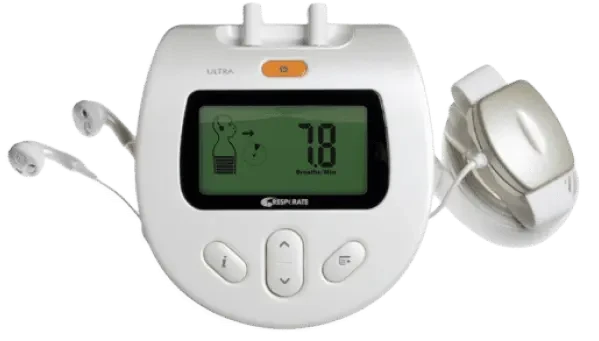
 Clinically proven





Comments
5 Replies to “How A Vitamin D Deficiency Might Be Linked to Hypertension”
I like more info on this subject matter
You can go to our website and search “Vitamin D” we have a few past articles about the subject.
Please I need one of REAPeRATE .I Live in West Africa – Ghana and how much is it thanks
Thank you for your article. I have a diet for blood pressure control, including fruits with high levels of vitamin C, such as oranges, grapefruit, mandarin, and bananas. According to the results from the automatic blood pressure monitor, my blood pressure has stabilized.
So glad to here it has helped control your HBP.