
 Brian Fairchild
Garlic has been part of traditional medicine for thousands of years, but the science explaining why it affects blood pressure is more specific than most people realize. The active compounds in garlic, particularly allicin and its derivatives, work through four documented biological pathways to relax blood vessels, reduce vascular resistance, and support healthier blood pressure levels. A meta-analysis of 12 randomized controlled trials found that garlic supplementation reduced systolic blood pressure by an average of 8 mmHg and diastolic blood pressure by about 4 mmHg in people with hypertension. That is a clinically meaningful reduction, comparable in size to some lifestyle interventions.
This post covers how garlic works mechanically, what forms of garlic the evidence supports, how the pickled version compares, and a recipe for making pickled garlic at home. For more on the full range of dietary approaches to blood pressure, see our post on the DASH diet and blood pressure.
It was 150/100, this morning it was 110/79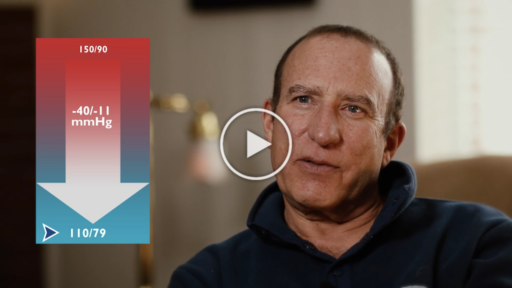
Watch How Mark Lowered His Blood Pressure Naturally.
How Garlic Lowers Blood Pressure: Four Mechanisms
Garlic does not lower blood pressure through a single pathway. Research published in peer-reviewed journals has identified four distinct mechanisms working in combination.
1. Nitric oxide release
Allicin and its metabolites contribute to nitric oxide production in blood vessel walls. Nitric oxide signals vascular smooth muscle to relax, widening the vessel and reducing the resistance blood faces as it moves through the circulatory system. This is the same mechanism targeted by several classes of blood pressure medication and by device-guided slow breathing.
2. Hydrogen sulfide production
Garlic is one of the few dietary sources that meaningfully raises hydrogen sulfide (H2S) in the body. H2S activates potassium channels in vascular smooth muscle cells, triggering hyperpolarization and vessel relaxation. This pathway works alongside the nitric oxide mechanism rather than replacing it.
3. ACE inhibition
Garlic suppresses angiotensin-converting enzyme (ACE) activity. ACE normally converts angiotensin I to angiotensin II, a potent vasoconstrictor that also triggers aldosterone release and promotes sodium and water retention. By reducing ACE activity, garlic blunts this entire cascade. For more on how the renin-angiotensin-aldosterone system affects blood pressure, see our post on aldosterone and high blood pressure.
4. RAAS suppression
Beyond ACE inhibition, garlic compounds suppress broader renin-angiotensin-aldosterone system activity. The combined effect is reduced vasoconstriction, less sodium retention, and lower blood volume, all of which contribute to lower blood pressure readings over time.
What the Clinical Evidence Shows
The best available evidence comes from meta-analyses pooling data across multiple randomized controlled trials. A review of 12 RCTs involving 738 people with hypertension found that garlic supplementation reduced systolic blood pressure by approximately 8 mmHg and diastolic blood pressure by approximately 4 mmHg. The reductions were most pronounced in people who already had elevated blood pressure at the start of the trial.
Garlic powder tablets and aged garlic extract produced the largest reductions in the studies reviewed. Effective dosage ranges were 600 to 2,400 mg of garlic powder daily, or 300 to 1,200 mg of aged garlic extract daily, taken for 8 to 24 weeks. Raw garlic consumed in culinary amounts is unlikely to produce the same effect because the allicin content is lower and the bioavailability is more variable than in standardized supplements.
One important note: the evidence applies to people with existing hypertension. The blood pressure lowering effect is less pronounced in people with normal baseline readings, which is consistent with how most dietary interventions behave.
It was 170/110, this morning it was 120/80
Watch how Julie Lowered her Blood Pressure Naturally.


Pickled Garlic: What Changes and What Does Not
Pickling transforms fresh garlic in two important ways. First, the sharp sulfur compounds that cause garlic breath are partly converted during fermentation and acidification, producing a milder, more complex flavor. Second, pickling preserves garlic for extended periods while maintaining much of its bioactive compound profile.
The common concern about pickling and allicin is worth addressing directly. Allicin itself is unstable and degrades quickly after garlic is cut or crushed. What pickling does is preserve the precursor compounds and the downstream allicin derivatives, including allyl sulfides, that form when allicin breaks down. These derivatives retain meaningful biological activity. The acetic acid in vinegar-based pickling also contributes modest blood pressure benefits of its own by influencing enzyme activity in the renin-angiotensin system.
Note on sodium: the recipe below includes 1 teaspoon of salt in the pickling brine for a full jar. You eat the garlic cloves, not the brine, so the sodium that reaches each serving is small. If you are on a strict sodium-restricted diet, you can reduce the salt or omit it.
Pickled Garlic Recipe
Ingredients
- 3 garlic bulbs, separated into cloves, skins removed
- 700 ml white wine vinegar, red wine vinegar, or cider vinegar
- 1 teaspoon pure salt (optional — reduce or omit for strict low-sodium diets)
- 1 teaspoon mustard seeds
- 3 allspice berries
- 1 dried chili or 1/2 teaspoon chili flakes
- A few sprigs of fresh basil
- 1 sterilized 500 ml jar
Directions
- Bring a small pot of water to a boil. Add the garlic cloves and blanch for one minute. This loosens the skins if any remain and softens the sharpest flavor notes slightly.
- Place the mustard seeds, allspice berries, chili, and basil into the sterilized jar.
- Add the blanched garlic cloves to the jar.
- Bring the vinegar to a boil. Pour the hot vinegar over the garlic until the cloves are fully submerged.
- Seal the jar while hot, let it cool to room temperature, then refrigerate. Wait at least 24 hours before opening. Flavor improves over the first week.
Use pickled garlic anywhere you would use fresh garlic. It works particularly well in Mediterranean dishes, alongside roasted vegetables, in dressings, or as a simple accompaniment to a cheese board.
Browse more heart-healthy recipes in our full recipe collection.
Where RESPeRATE Fits
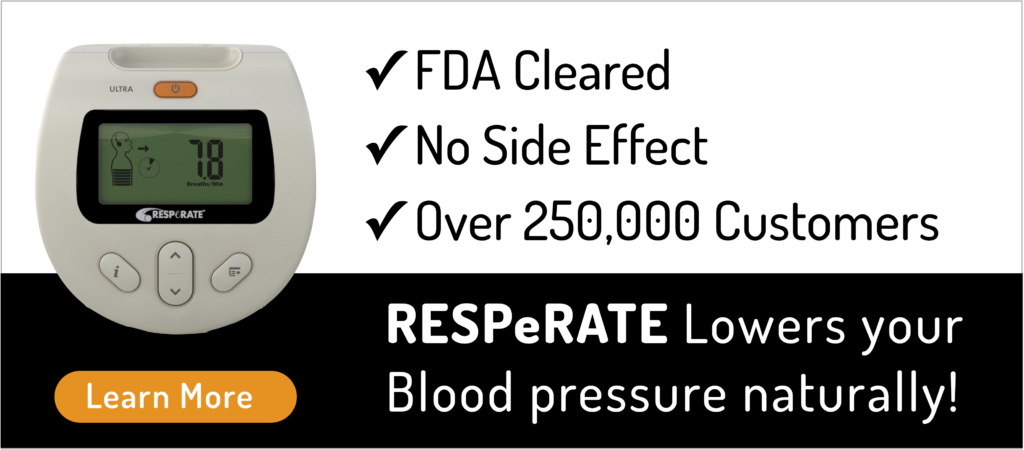
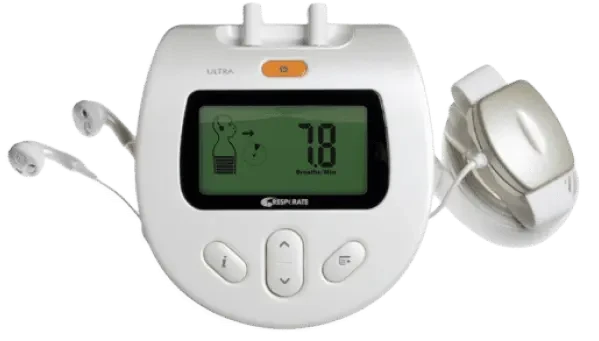
Garlic and breathing-based blood pressure management share a common thread: both influence nitric oxide pathways in blood vessel walls. RESPeRATE works through a different but complementary mechanism, reducing sympathetic nervous system activity through device-guided slow breathing, which in turn reduces peripheral vascular resistance. It is the only FDA-cleared non-drug device clinically proven to lower blood pressure. Review the full evidence at our clinical proof page.
The most effective blood pressure management programs combine dietary, lifestyle, and device-based approaches. Garlic belongs in the dietary column. RESPeRATE addresses the nervous system column. Neither replaces physician-directed treatment, and both work best as part of a complete plan.
Summary
Garlic lowers blood pressure through four documented mechanisms: nitric oxide release, hydrogen sulfide production, ACE inhibition, and broader RAAS suppression. A meta-analysis of 12 randomized controlled trials found an average 8 mmHg systolic reduction in people with hypertension. The effect is most reliable with garlic powder or aged garlic extract supplements at standardized doses taken over several weeks. Pickled garlic preserves the relevant bioactive compounds while improving palatability and extending shelf life. It is a practical, evidence-adjacent addition to a heart-healthy kitchen.


 Clinically proven

 Eli
Eli 





Comments
4 Replies to “Sweet Garlic Explained: Flavorful and Full of Health Benefits”
Does doing so affect the efficiency or potency or amount of Allicin?
Hi Allen, Not that I know of. Kindest Regards, Eli, Content Manager, RESPeRATE.
How long before the garlic is ready to eat?
Hi Bill, You would have to wait at least 24 hours before eating. Kindest Regards, Eli, Content Manger.