
 Brian Fairchild
Menopause is the single largest inflection point for hypertension risk in a woman’s life. Before menopause, estrogen provides meaningful protection to the cardiovascular system by suppressing the renin-angiotensin-aldosterone system, reducing vascular inflammation, and supporting the elasticity of blood vessel walls. When estrogen levels fall, those protective mechanisms weaken simultaneously. The result is a documented and predictable rise in blood pressure that affects approximately 41% of women during the menopause transition.
The Study of Women’s Health Across the Nation (SWAN), a multi-site longitudinal cohort following women through the menopausal transition, demonstrated that increases in systolic blood pressure track more closely with menopausal stage than with age alone. Menopause drives the blood pressure change. Age is a secondary factor.
It was 150/100, this morning it was 110/79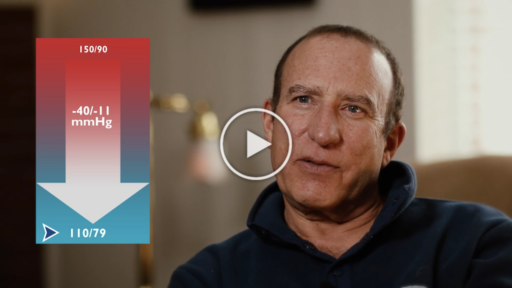
Watch How Mark Lowered His Blood Pressure Naturally.

Why Blood Pressure Rises During Menopause: Three Mechanisms
1. RAAS activation
The renin-angiotensin-aldosterone system (RAAS) regulates blood pressure, blood vessel tone, and fluid balance. Estrogen normally suppresses this system, favoring vasodilation and sodium excretion. When estrogen falls during menopause, the RAAS becomes overactive. The vasoconstricting arm of the RAAS strengthens, angiotensin II production increases, sodium retention rises, and blood volume expands. Blood pressure follows. For more on how aldosterone specifically affects blood pressure in women, see our post on aldosterone and high blood pressure in women.
2. Visceral fat and metabolic changes
Menopause is associated with a shift in fat distribution toward visceral adiposity, even without significant total weight gain. Visceral fat is metabolically active. It releases inflammatory cytokines and activates the RAAS independently of hormonal changes. It also contributes to insulin resistance and increases salt sensitivity, meaning a given dietary sodium intake produces a larger blood pressure response than it would before menopause.
3. Sympathetic nervous system activation
Estrogen also modulates sympathetic nervous system reactivity. As estrogen declines, resting sympathetic tone increases. Hot flashes and night sweats involve abrupt sympathetic nervous system firing. Sleep disruption from vasomotor symptoms compounds the effect by impairing the overnight blood pressure dip and keeping cortisol elevated. For more on how chronic sympathetic overactivation affects blood pressure, see our post on how stress affects blood pressure.
What the Evidence Shows Works
Diet and sodium reduction
Salt sensitivity increases after menopause, which means dietary sodium reduction produces stronger blood pressure reductions than it did before. The DASH diet addresses both sodium and potassium simultaneously. The American Heart Association specifically recommends it for women managing cardiovascular risk during and after menopause. Limiting processed foods and increasing potassium from fruits, vegetables, and whole grains are the most practical dietary steps.
Regular aerobic exercise
Regular aerobic exercise reduces resting blood pressure by lowering sympathetic nervous system tone over time. It also reduces visceral fat accumulation, one of the upstream drivers of post-menopausal blood pressure rise. The AHA recommends at least 150 minutes of moderate-intensity aerobic activity per week for cardiovascular risk reduction. Even a daily 30-minute walk produces measurable sympathetic nervous system benefit.
Sleep quality
Poor sleep driven by hot flashes and night sweats impairs the overnight blood pressure dip and keeps cortisol elevated the following day. Addressing vasomotor symptoms that disrupt sleep directly improves both sleep quality and blood pressure patterns. For more on the specific connection between sleep disruption and blood pressure in women, see our post on why women get insomnia more frequently than men.
Hormone therapy considerations
Menopausal hormone therapy affects blood pressure differently depending on formulation and delivery route. A 2024 meta-analysis in PubMed (38688468) found that oral conjugated equine estrogens combined with progestogen increased systolic blood pressure. Transdermal estradiol and estradiol alone did not produce a significant blood pressure effect. For women considering hormone therapy, discussing the formulation and delivery route with a physician matters, particularly for those already managing elevated blood pressure.
It was 170/110, this morning it was 120/80
Watch how Julie Lowered her Blood Pressure Naturally.


Medication Selection After Menopause
Blood pressure medication selection also shifts after menopause. Calcium channel blockers and thiazide diuretics generally perform well in postmenopausal women. ACE inhibitors and angiotensin receptor blockers address the RAAS overactivation directly and are often a first-line consideration. Discuss the best approach with your physician based on your full cardiovascular risk profile.
Where RESPeRATE Fits
RESPeRATE addresses the sympathetic nervous system component of menopause-related blood pressure elevation directly. Device-guided slow breathing with prolonged exhalation shifts the nervous system from sympathetic to parasympathetic mode, reducing the resting overactivation that estrogen decline sustains. Used in the evening, it also supports the pre-sleep transition that the overnight blood pressure dip depends on. RESPeRATE is the only FDA-cleared non-drug device clinically proven to lower blood pressure. Use it as part of your overall health program alongside your physician-directed treatment plan. Review the full evidence at our clinical proof page.
Summary
Menopause raises blood pressure through three documented and interacting mechanisms: RAAS activation from estrogen decline, visceral fat accumulation driving inflammation and salt sensitivity, and increased sympathetic nervous system tone worsened by poor sleep. About 41% of women develop hypertension during the menopause transition. Diet, exercise, sleep quality, appropriate medication selection, and tools that calm the sympathetic nervous system all address different parts of the same problem. Managing blood pressure during and after menopause is not about accepting an inevitable decline. It is about applying the right interventions at the right time.

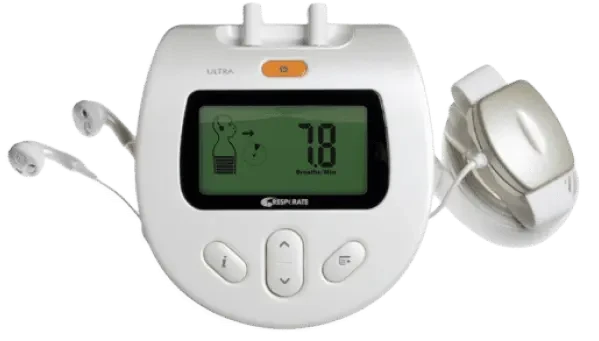
 Clinically proven



 Eli
Eli 



Comments