
 Brian Fairchild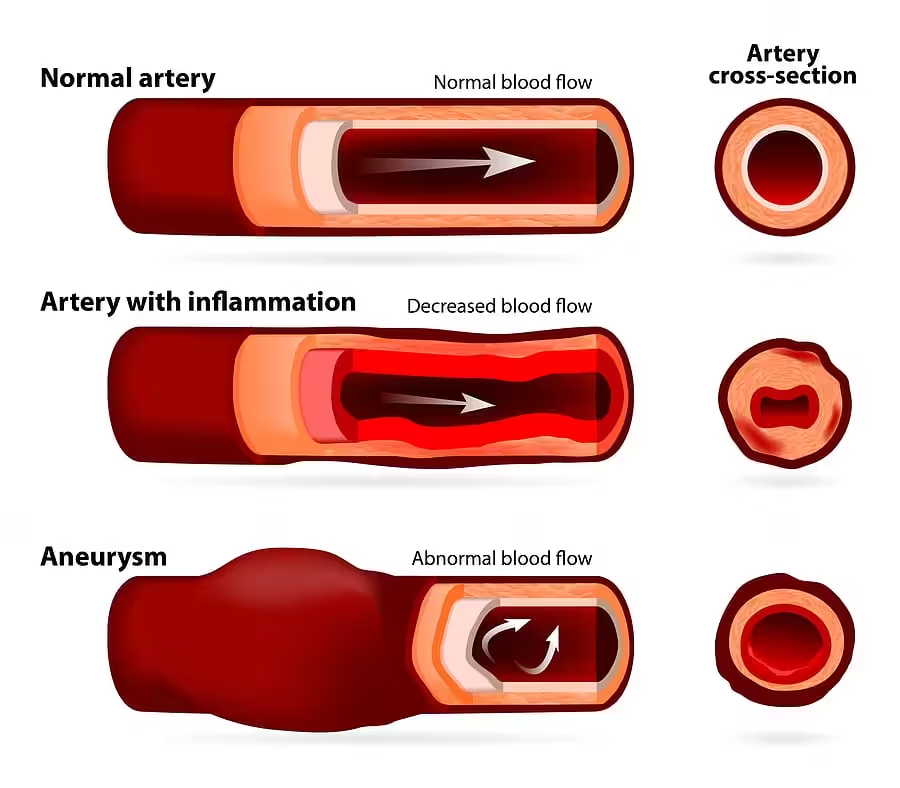
Most people think of high blood pressure and high cholesterol as the primary drivers of heart disease. Both matter. However, arterial inflammation is the more fundamental process that transforms manageable risk factors into actual cardiovascular events. Understanding what drives inflammation in artery walls, and what to do about it, is increasingly recognized as the more important question.
This shift in framing is not fringe medicine. The American Heart Association and American College of Cardiology both now incorporate inflammatory biomarkers into cardiovascular risk assessment. Preventive cardiology is moving steadily from managing numbers on a lab report to identifying the underlying conditions that make arteries inflamed and unstable in the first place.
It was 150/100, this morning it was 110/79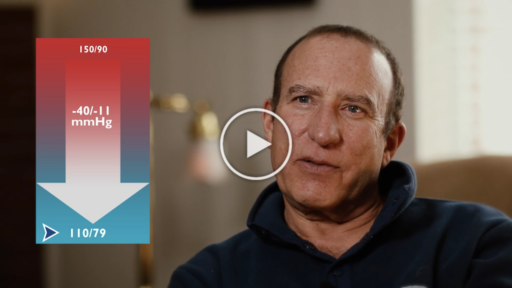
Watch How Mark Lowered His Blood Pressure Naturally.

What Arterial Inflammation Actually Is
Healthy arteries are flexible, smooth-walled, and responsive. They expand and contract with each heartbeat and maintain a clean endothelial lining that blood flows smoothly across. Arterial inflammation disrupts that picture at the cellular level. When the endothelium, the thin layer of cells lining the artery wall, becomes damaged or irritated, the immune system responds. White blood cells move into the artery wall. LDL cholesterol particles follow. Over time, inflammatory processes build plaque. Plaque stiffens and narrows the artery and makes it vulnerable to rupture.
Elevated blood pressure accelerates this process. The mechanical force of chronically high pressure physically damages the endothelium, creating entry points for immune cells and LDL. This is one reason that untreated hypertension raises cardiovascular risk substantially even in people whose cholesterol numbers look acceptable. The pressure itself has inflammatory effects on the arterial wall.
What Drives Arterial Inflammation Beyond the Usual Suspects
Standard cardiovascular risk assessment focuses on blood pressure, cholesterol, blood sugar, body weight, smoking, and family history. These are genuinely important. However, several additional conditions drive arterial inflammation in ways that standard risk assessment often misses. Vaping presents a similar and increasingly documented risk. For a full breakdown of what the latest research shows about vaping, blood pressure, and the cardiovascular system, see our post on vaping and high blood pressure
Periodontal disease
Periodontal disease is one of the most clinically underappreciated inflammatory drivers. The bacteria responsible for gum disease can enter the bloodstream directly and deposit in arterial plaque. A consensus report in the Journal of Clinical Periodontology found that people with active periodontal disease carry measurably higher inflammatory markers and elevated cardiovascular risk independent of other factors. Furthermore, treating gum disease reduces those markers. This is why some preventive cardiologists now consider dental health an essential component of cardiovascular assessment rather than a separate medical specialty.
Sleep apnea
Sleep apnea is another significant driver. Each apnea event triggers a brief but significant stress response, spiking cortisol and adrenaline and raising blood pressure. People with untreated sleep apnea may experience dozens or hundreds of these events every night. As a review in Circulation confirmed, treatment of sleep apnea consistently reduces both inflammatory burden and blood pressure. For a deeper look at what happens to blood pressure during sleep, see our post on blood pressure during sleep.
Insulin resistance
Insulin resistance, even before a formal type 2 diabetes diagnosis, is a potent driver of arterial inflammation. Elevated insulin and blood sugar damage the endothelium directly and activate inflammatory pathways in artery walls. Many people with hypertension also have undiagnosed insulin resistance. Addressing it through diet, exercise, and weight management removes a significant inflammatory trigger.
Insulin resistance also plays a central role in fatty liver disease. For a deeper look at how fatty liver disease and high blood pressure drive each other, see our post on fatty liver disease and hypertension.
Pregnancy history
A history of preeclampsia or gestational hypertension is a specific and often overlooked driver of later arterial inflammation. Preeclampsia involves significant endothelial dysfunction during pregnancy, and that vascular stress does not always fully resolve after delivery. A large meta-analysis of more than 6.4 million women found that preeclampsia independently predicted future heart failure, coronary heart disease, and stroke. The American Heart Association now formally recognizes it as a major cardiovascular risk factor. For a full look at this connection and what can be done about it, see our post on preeclampsia and future hypertension risk.
Gut dysbiosis and chronic stress
Gut dysbiosis is increasingly linked to arterial inflammation through the production of pro-inflammatory compounds from certain bacterial metabolites. For more on this connection, see our post on the gut microbiome and blood pressure.
Chronic psychological stress sustains elevated cortisol and sympathetic nervous system activity. Both promote endothelial damage and inflammatory cascades. Stress is not simply a quality of life issue in this context. It is a physiological driver of the same arterial inflammation that cholesterol and blood pressure are also driving. For a detailed look at the stress-blood pressure mechanism, see our article on how stress affects blood pressure.
The Inflammatory Biomarkers Worth Knowing About
High-sensitivity C-reactive protein (hs-CRP)
High-sensitivity C-reactive protein is the most widely used inflammatory marker in cardiovascular risk assessment. CRP rises in response to systemic inflammation and independently predicts cardiovascular risk beyond what LDL alone captures. The JUPITER trial enrolled nearly 18,000 participants and found that people with normal LDL but elevated hs-CRP benefited significantly from cardiovascular intervention. Asking your physician about hs-CRP testing is a reasonable step for anyone managing hypertension.
Lipoprotein(a)
Lipoprotein(a), or Lp(a), is a genetic variant of LDL that promotes both inflammation and clotting in artery walls. Lp(a) levels do not respond to diet or standard statin therapy and are largely genetically determined. However, knowing your Lp(a) level helps identify higher cardiovascular risk that requires more aggressive inflammation management through other pathways. An AHA Scientific Statement confirmed Lp(a) as an independent cardiovascular risk factor. Most standard lipid panels do not include it, and it requires a specific test.
Myeloperoxidase (MPO)
Myeloperoxidase is an enzyme that white blood cells release during inflammation. Elevated MPO levels indicate active inflammatory activity in artery walls and have been linked to both periodontal disease and cardiovascular risk. This is a more specialized test but increasingly available through preventive cardiology and functional medicine practices.
It was 170/110, this morning it was 120/80
Watch how Julie Lowered her Blood Pressure Naturally.


The Prevention-First Approach to Arterial Health
The shift toward identifying root causes of arterial inflammation rather than simply managing downstream markers has practical implications for cardiovascular care. Several key principles are emerging.
Earlier and deeper investigation matters
A patient with normal cholesterol and controlled blood pressure may still have active arterial inflammation driven by sleep apnea, periodontal disease, or insulin resistance. Standard annual check-ups often do not screen for these conditions in the cardiovascular context. Requesting hs-CRP testing, discussing sleep quality with your physician, and ensuring dental health receives attention as part of cardiovascular care are all actionable steps.
Treating root causes produces different outcomes
Addressing sleep apnea removes an inflammatory trigger and may significantly reduce blood pressure and cardiovascular risk in a way that adding another medication would not. Similarly, treating periodontal disease reduces systemic inflammatory burden. Managing insulin resistance through lifestyle changes addresses endothelial damage at its source. These are mechanistically different interventions from simply adjusting medication dosages. The DASH diet and regular aerobic exercise both reduce inflammatory markers including hs-CRP alongside their effects on blood pressure and cholesterol.
Where RESPeRATE Fits in the Inflammation Picture
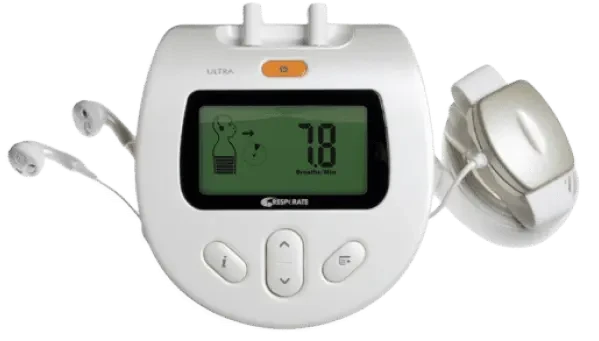
RESPeRATE addresses arterial inflammation at a specific and well-documented point: the sympathetic nervous system pathway. Chronic sympathetic overactivation is the same physiological state that stress, sleep apnea, and unmanaged anxiety all produce. It sustains elevated cortisol, keeps blood vessels constricted, and promotes the endothelial damage that initiates arterial inflammation. RESPeRATE guides slow breathing with prolonged exhalation, shifting the nervous system from sympathetic to parasympathetic mode. As a result, it reduces the neural pressure on artery walls, lowers blood pressure through the same pathway that endothelial health depends on, and complements the other root-cause interventions described in this post.
RESPeRATE is the only FDA-cleared non-drug device clinically proven to lower blood pressure. Use it as part of your overall health program alongside your physician-directed treatment plan. Review the full evidence at our clinical proof page.
Summary
Arterial inflammation is the underlying process that converts risk factors into cardiovascular events. Blood pressure, cholesterol, blood sugar, and body weight all matter because of how they contribute to arterial inflammation. However, the more fundamental approach to cardiovascular protection is identifying and addressing the upstream drivers of that inflammation. Sleep apnea, periodontal disease, insulin resistance, chronic stress, and gut dysbiosis are all modifiable contributors that standard risk assessment often misses.
Inflammatory biomarkers like hs-CRP and Lp(a) can reveal cardiovascular risk that a standard lipid panel alone cannot. The emerging field of preventive cardiology is built on exactly this insight, and the practical steps it points toward are available to anyone willing to ask deeper questions of their healthcare provider.

 Clinically proven

 Eli
Eli 





Comments